LOADING
1700S–PRESENT
Botanical Watercolor
Scientific precision meets watercolor softness. Botanical illustration maps every vein of a leaf, every petal's curve, with the translucent washes that give watercolor its breathing room.
CREATE IN THIS STYLEMAKE YOUR OWN
Botanical Watercolor,
designed for your wall.
Describe your vision. We generate three variations to choose from, then print and ship it framed.
BEGIN YOUR PIECEOR PICK ONE, READY TO SHIP
Ten pieces in this style
Each piece is ready to ship as is. Add it to your cart and Create Variation gives you 2 free tweaks to get it right before you check out.
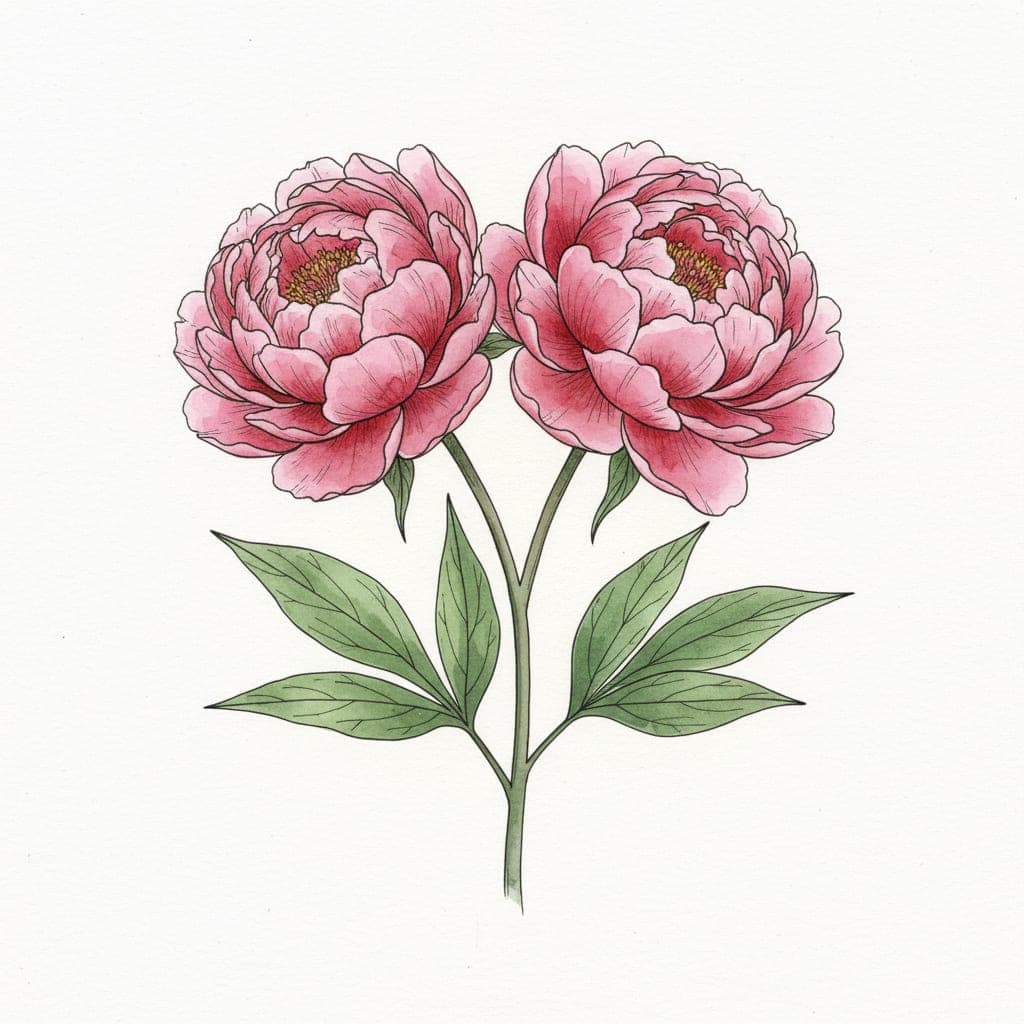
Peony Stem
FRAME IT →
Peony Stem
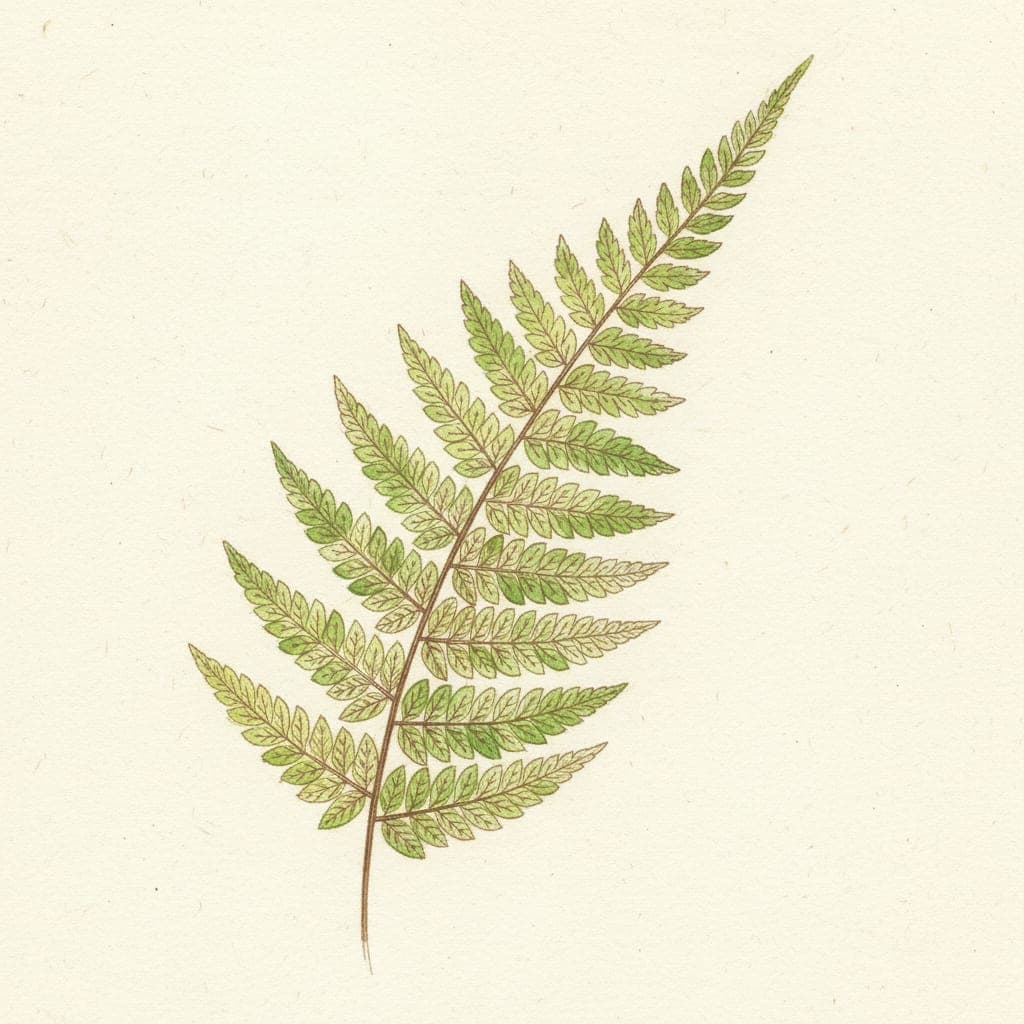
Fern Frond
FRAME IT →
Fern Frond
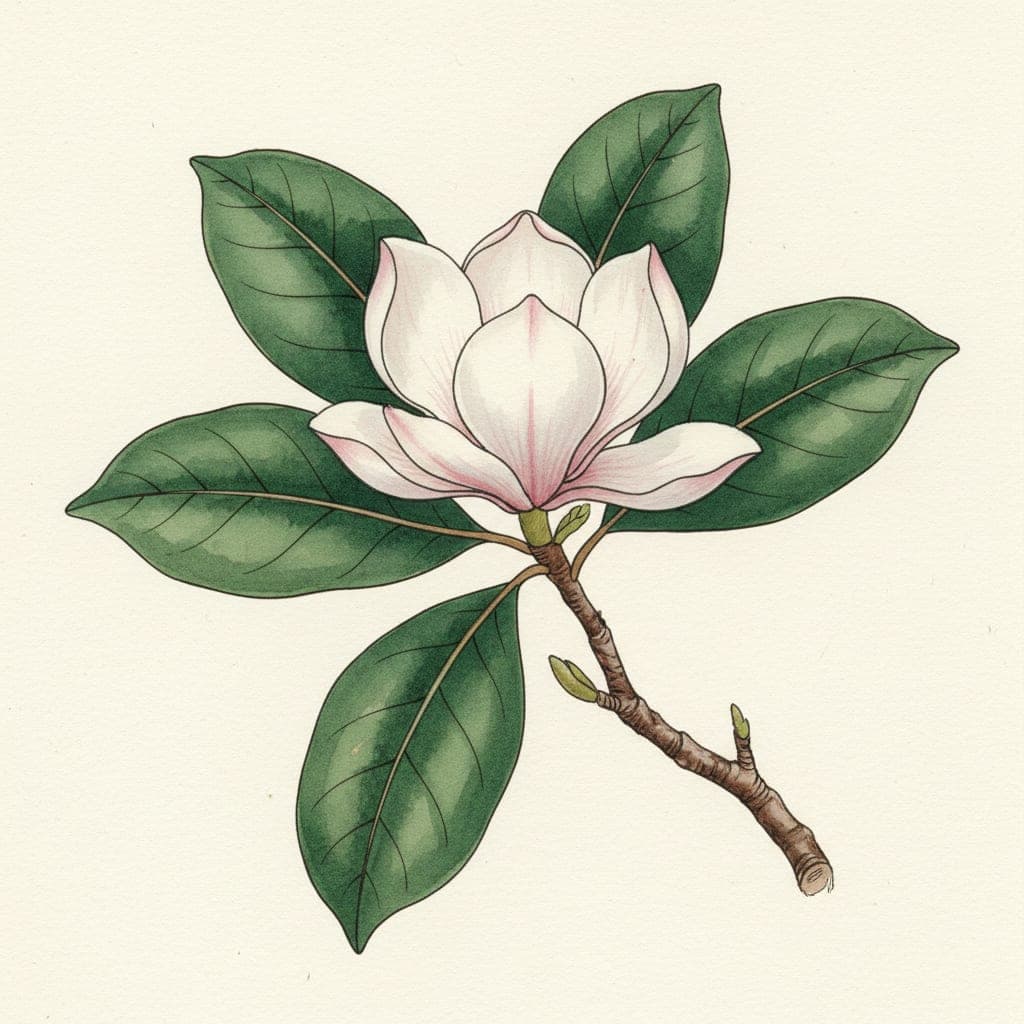
Magnolia Branch
FRAME IT →
Magnolia Branch
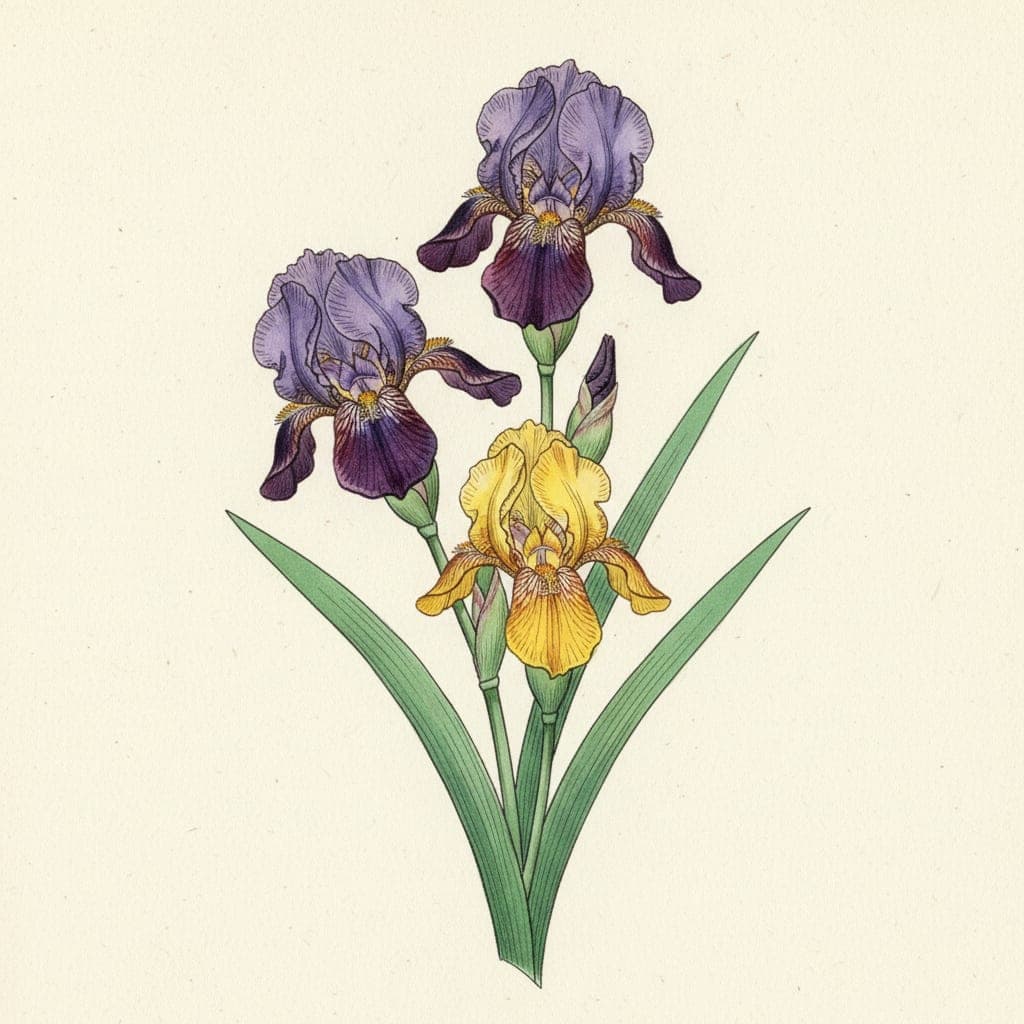
Iris Triplet
FRAME IT →
Iris Triplet
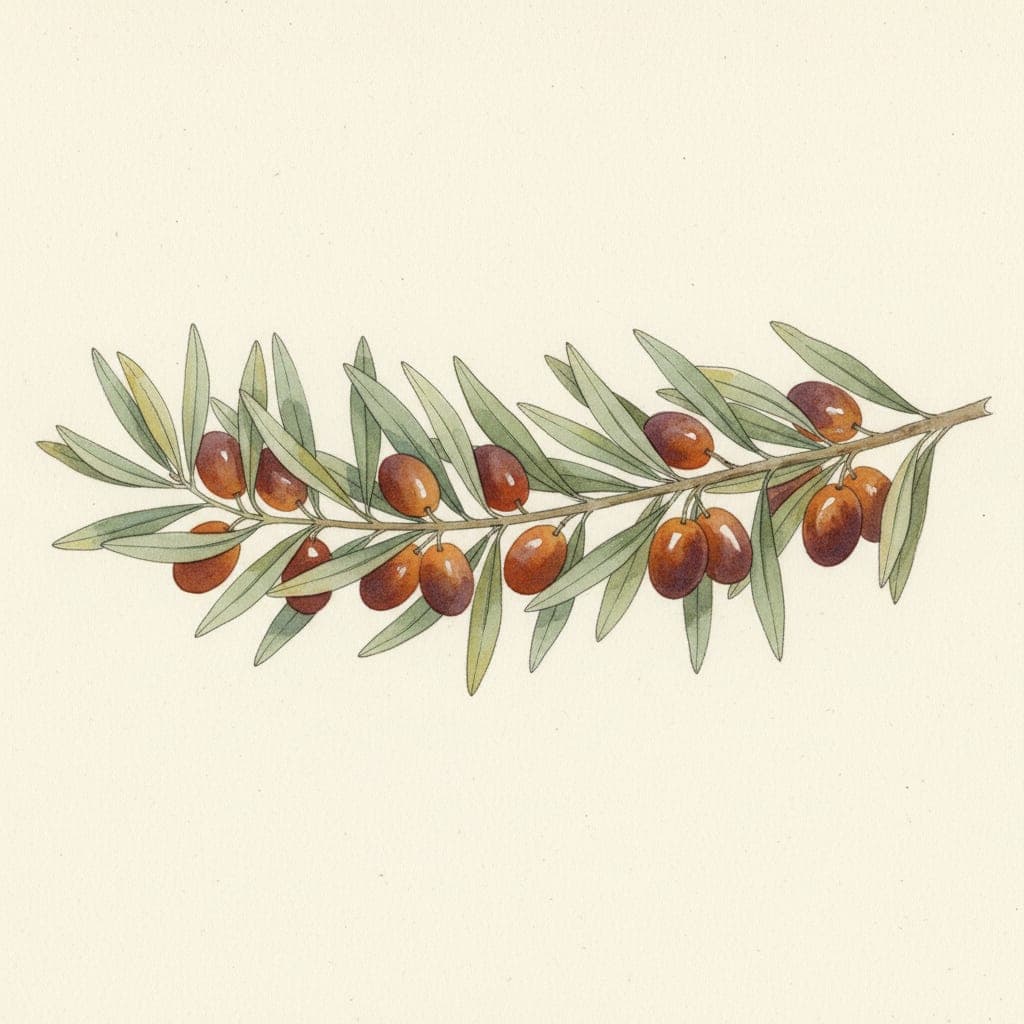
Olive Branch
FRAME IT →
Olive Branch
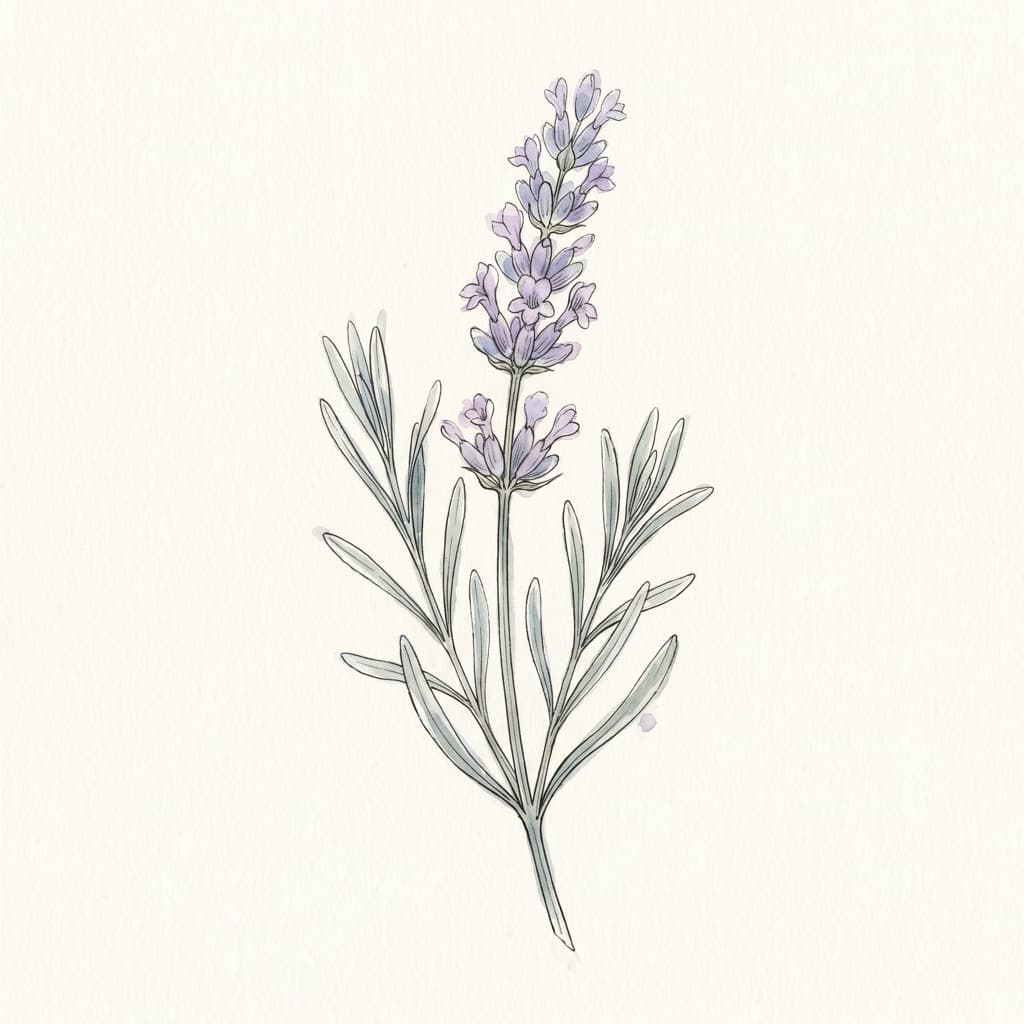
Lavender Sprig
FRAME IT →
Lavender Sprig
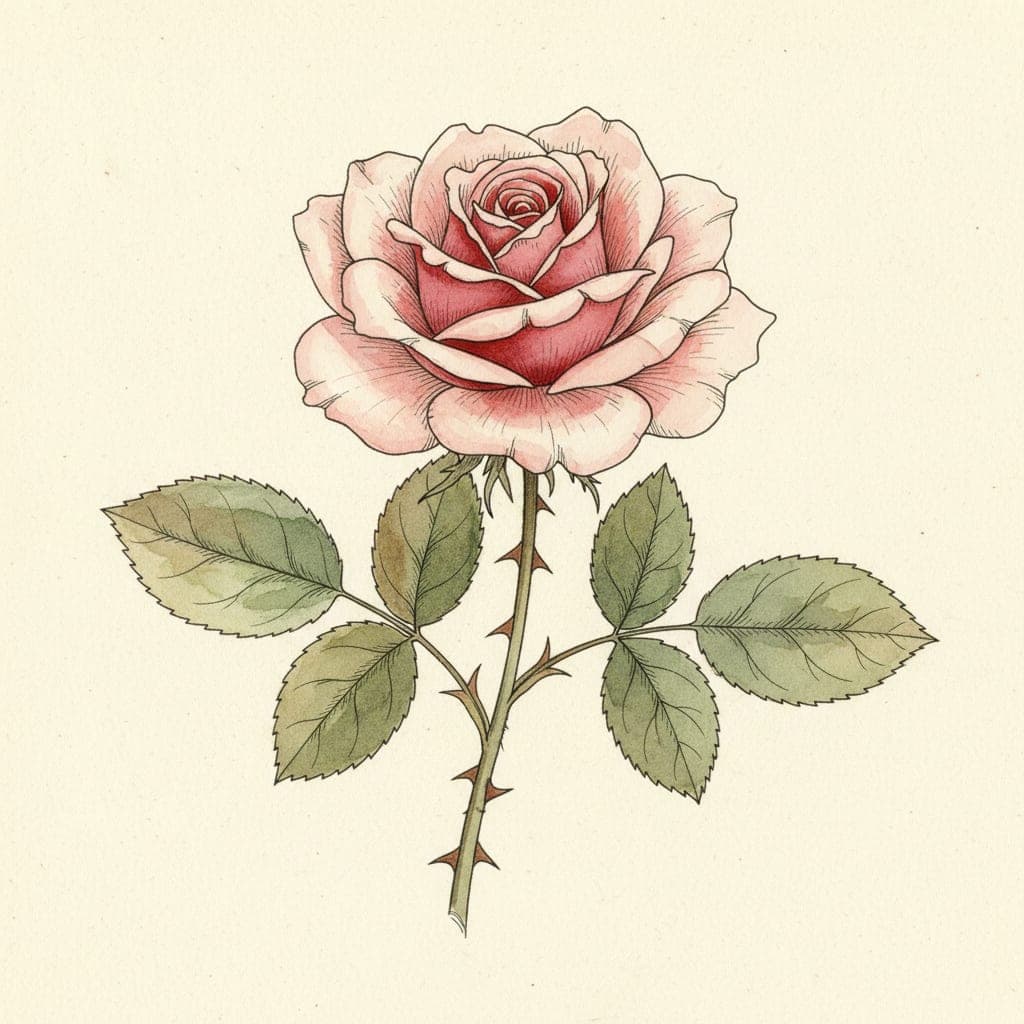
Single Rose
FRAME IT →
Single Rose
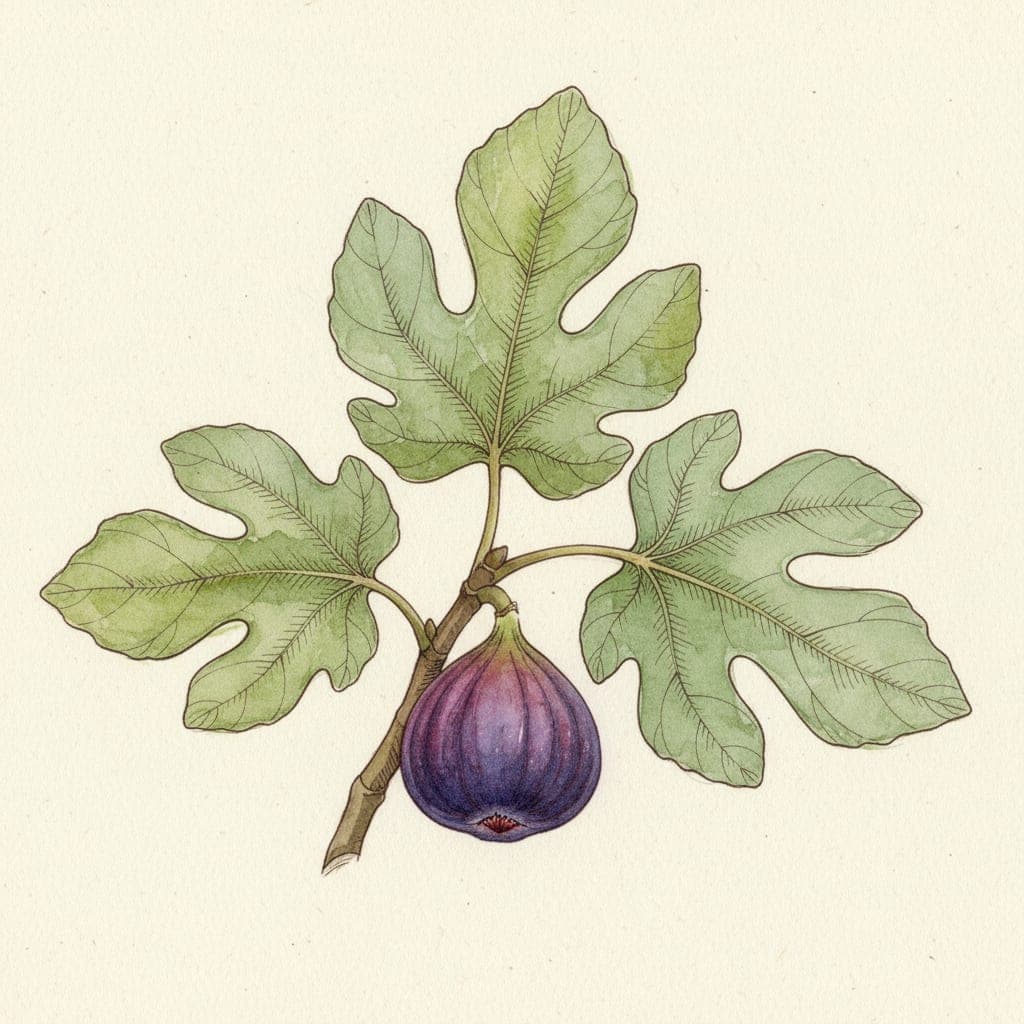
Fig Branch
FRAME IT →
Fig Branch
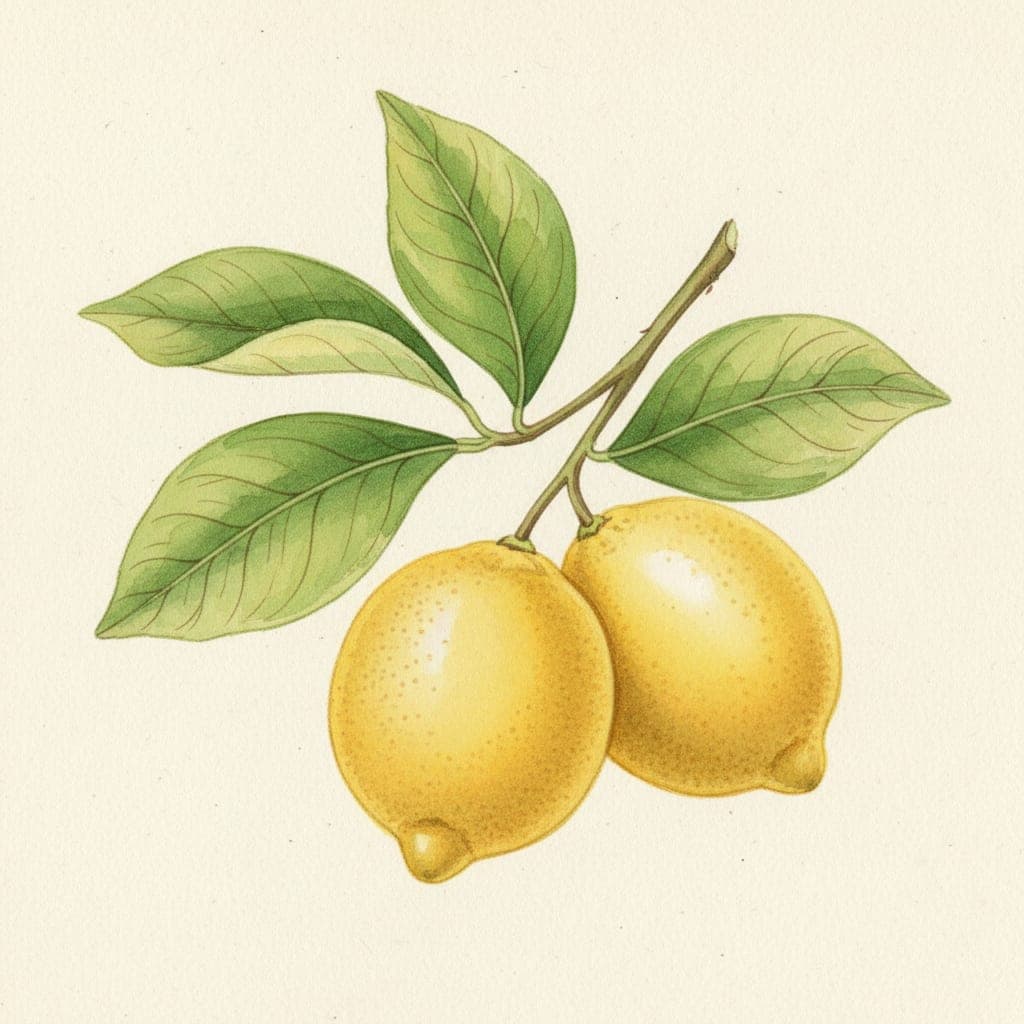
Meyer Lemon
FRAME IT →
Meyer Lemon
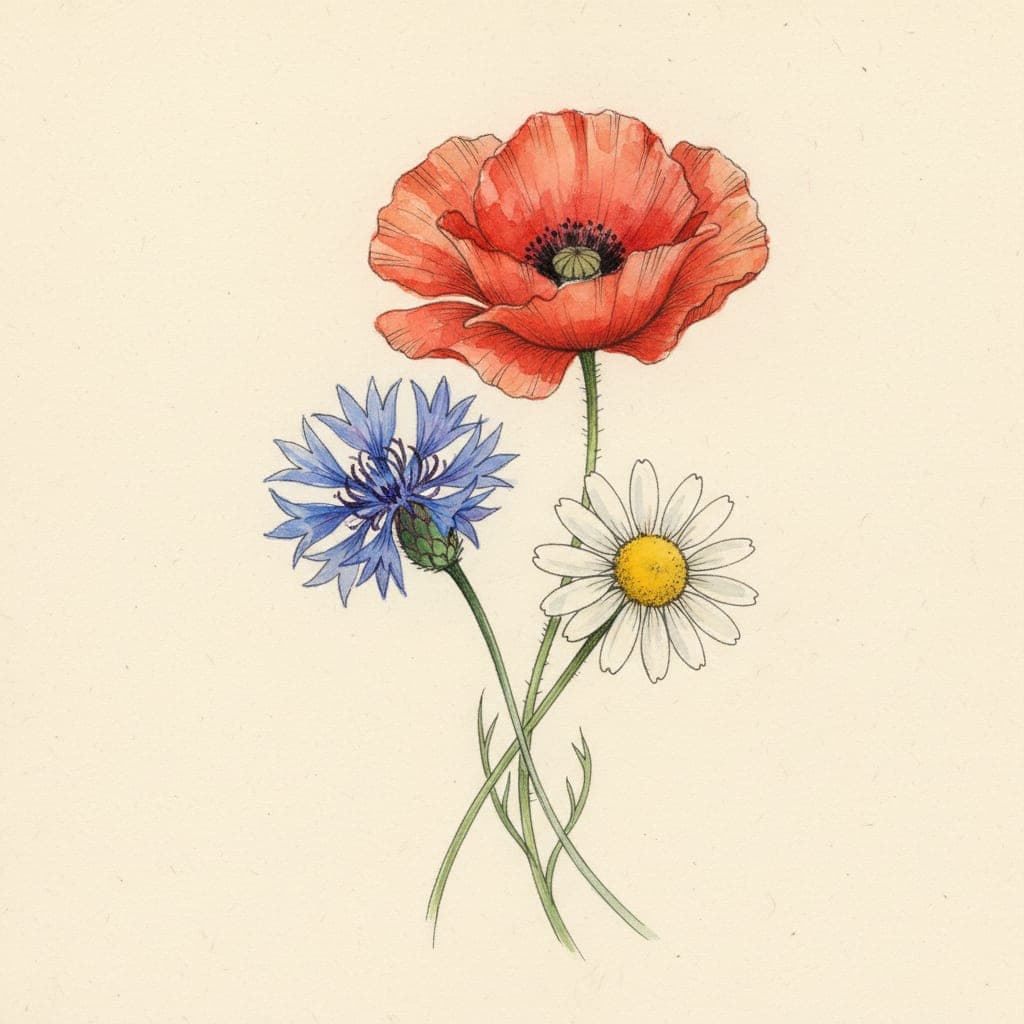
Wildflower Trio
FRAME IT →
Wildflower Trio
Botanical illustration is one of the oldest applied art forms. Long before photography, scientists needed accurate records of plants for medicine, agriculture, and trade. Artists like Maria Sibylla Merian in the 1600s and Pierre-Joseph Redouté in the 1700s elevated the form into something between document and art object.
The watercolor tradition specifically suits botanical work for technical reasons. Watercolor's transparency lets the artist build up the subtle gradients you see in petals and leaves. The medium dries quickly, lending itself to the precision required for vein work and stem articulation. The white paper itself provides the highlights, since you cannot paint white over color in pure watercolor.
On a wall, botanical watercolors anchor a space without weight. They work in nearly any room. Bedrooms, bathrooms with good ventilation, kitchens, dining rooms, any wall that wants softness without sentimentality. A good botanical reads as scientific and beautiful at once, which is a hard combination to achieve.
Our pipeline weights botanical generations toward the conventions: detailed line work, translucent washes, white or cream backgrounds, precise stem and vein articulation, color gradients that read as observed rather than invented. The result feels like a page from a 200-year-old natural history book, made specifically for your wall.
SIGNATURE PALETTE
#4A7C59
#E8A0BF
#DAA520
#8B4513
#87CEEB
VISUAL VOCABULARY
When you generate in this style, our system weighs these elements to keep the result authentic:
detailed botanical illustration styletranslucent watercolor washeswhite or cream backgroundprecise linework for stems and veinspalette: sap green, rose pink, ochre yellow, burnt sienna, soft bluescientific illustration compositiondelicate color gradients in petalsnatural specimen arrangement
Ready to make your own?
Free to try. No credit card. Tell us about your space.
START WITH BOTANICAL WATERCOLORRELATED AESTHETICS