LOADING
YOU UPLOAD ITOUR AI ARTIST GENERATES ITWE FRAME IT
AESTHETIC LIBRARY
Eleven ways to begin.
Each style is a starting point. Generate something in any of these traditions, or describe your own vision and let the work find its own voice.

1860S–1890S
Impressionist Landscape
Soft light, visible brushwork, and fleeting moments captured outdoors. Open-air painting that trades precision for atmosphere, letting color and light do the heavy lifting.
EXPLORE

1919–1933
Bauhaus Geometric
Primary colors, clean geometry, and the conviction that form follows function. The Bauhaus stripped art to its structural bones and found beauty in the grid.
EXPLORE
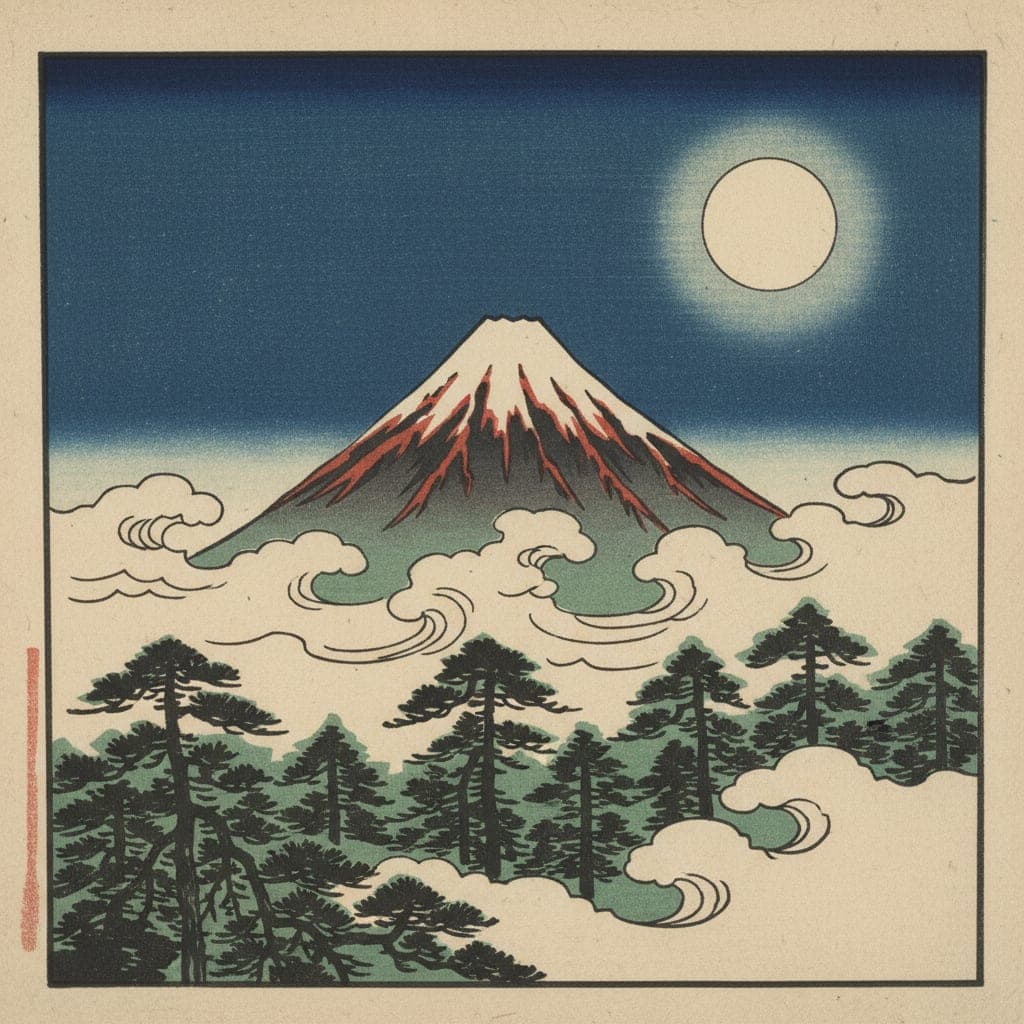
1600S–1900S
Ukiyo-e Woodblock
The floating world, carved in cherry wood and pressed into paper. Bold outlines, flat color, and a flattened perspective that turns landscape into pattern and pattern into poetry.
EXPLORE
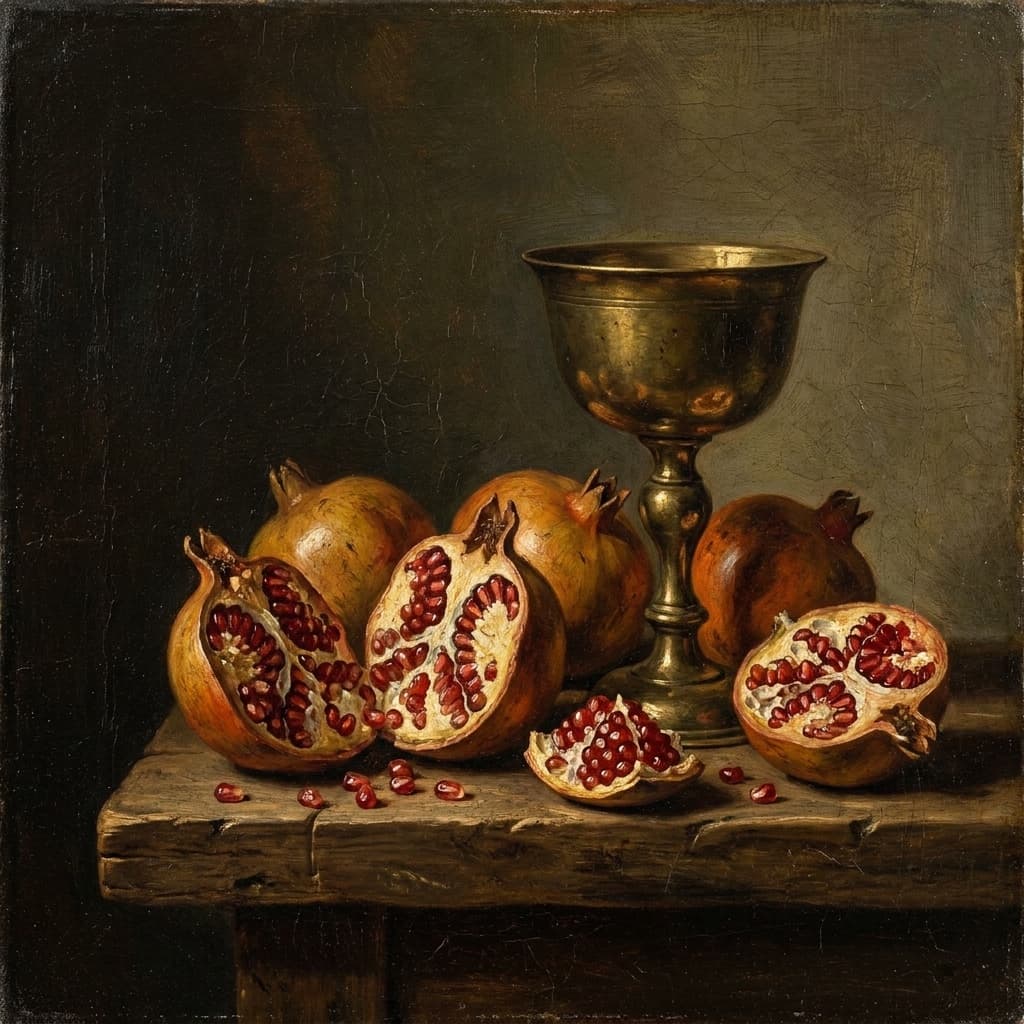
1500S–1800S
Classical Painting
Old Master oil painting in the European tradition. Layered glazes, dramatic chiaroscuro, and the timeless subjects that defined three centuries of Western art.
EXPLORE
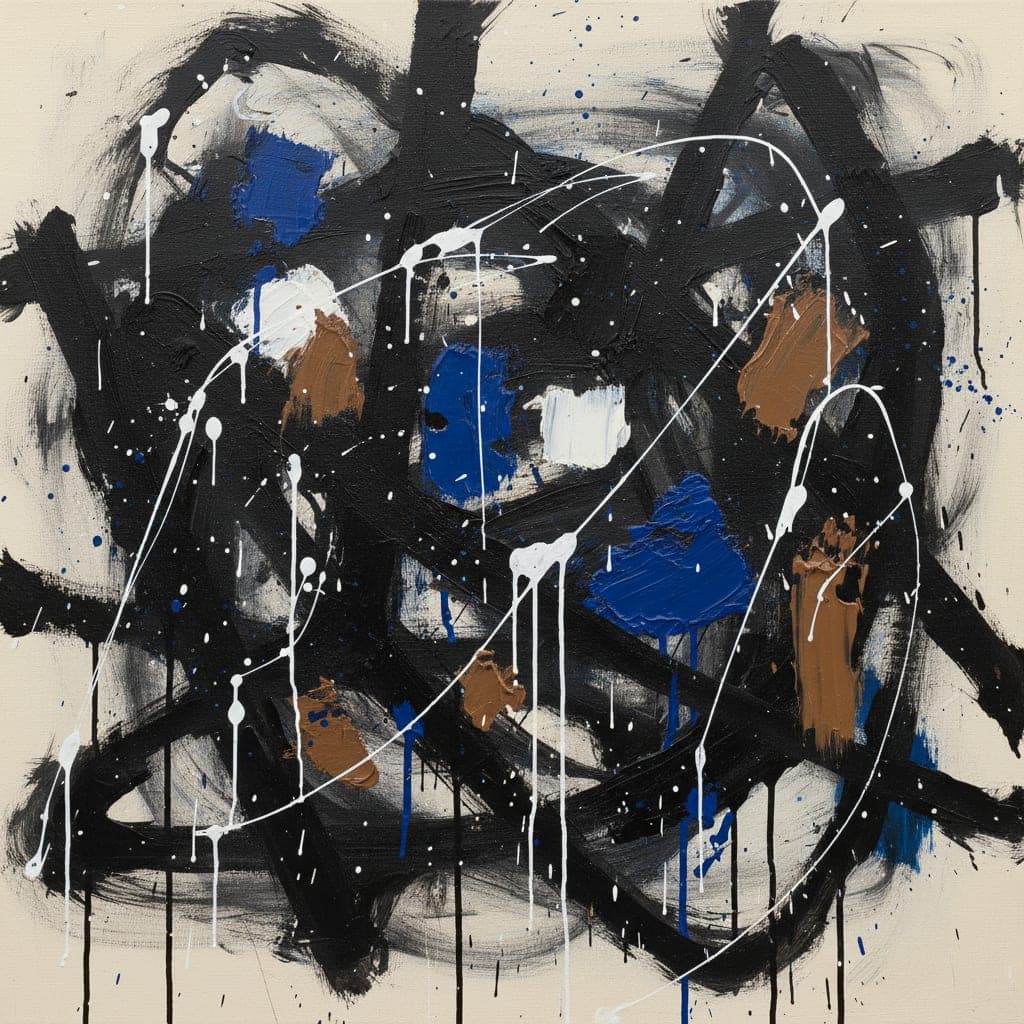
1940S–1960S
Abstract Expressionist
Gesture, scale, and raw emotion flung onto canvas. The action painters traded composition for energy, letting the body's motion become the subject itself.
EXPLORE
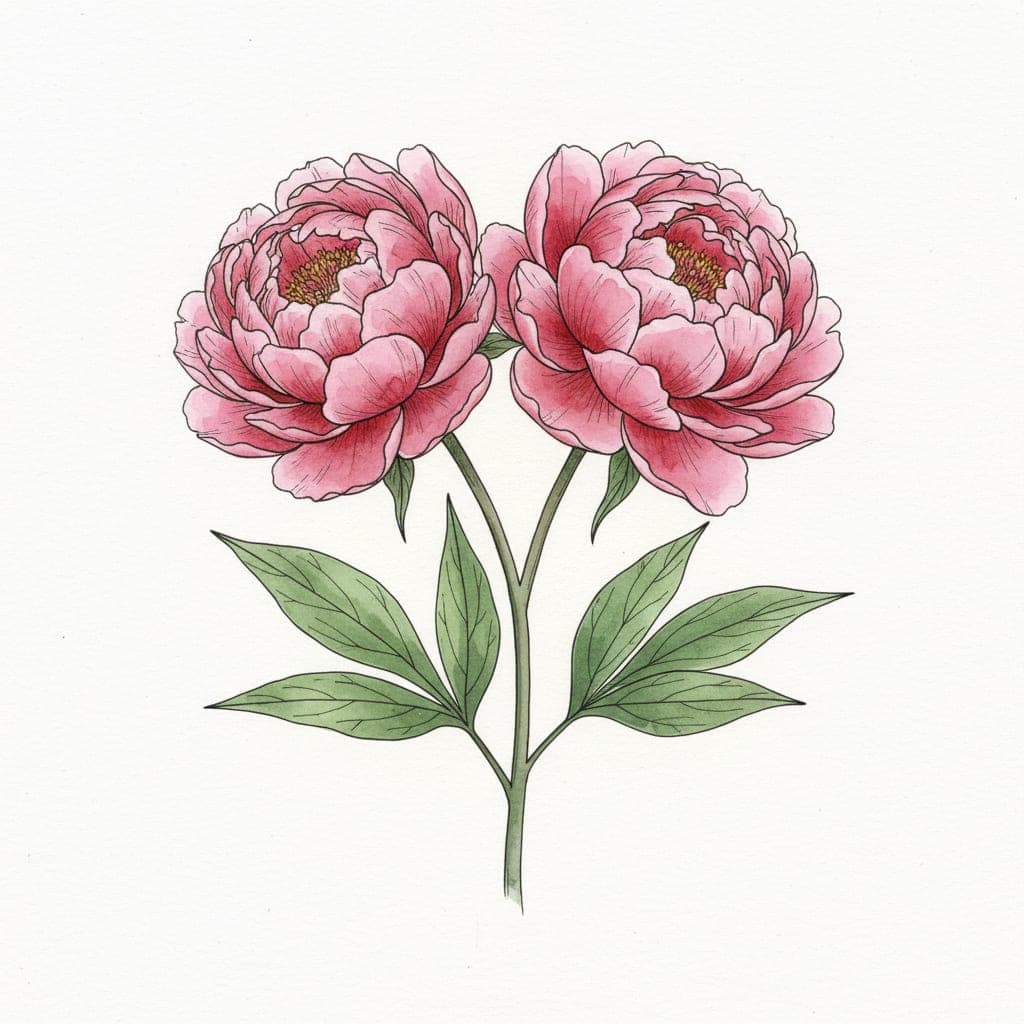
1700S–PRESENT
Botanical Watercolor
Scientific precision meets watercolor softness. Botanical illustration maps every vein of a leaf, every petal's curve, with the translucent washes that give watercolor its breathing room.
EXPLORE
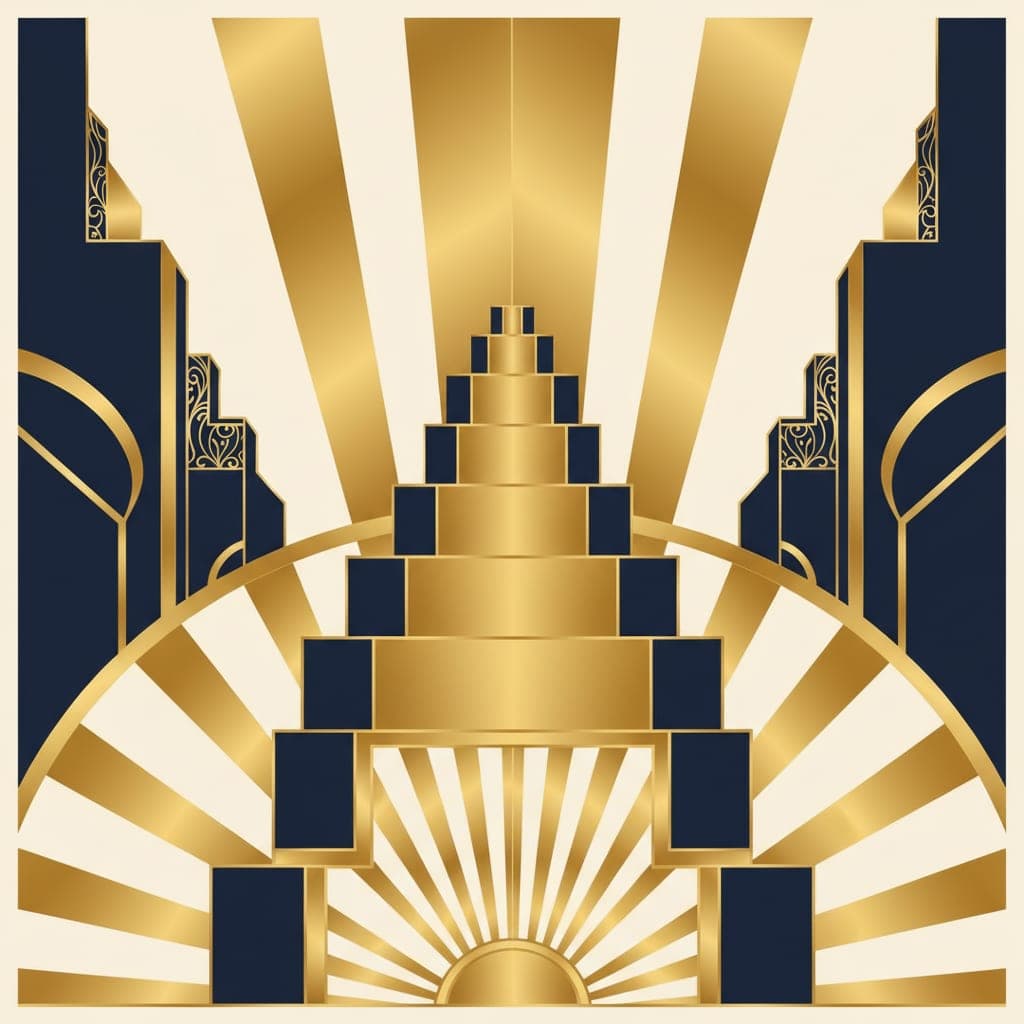
1920S–1940S
Art Deco Poster
Sunburst lines, metallic geometry, and the glamour of a world that believed in progress. Art Deco poster design turned commercial art into high art through sheer confidence.
EXPLORE
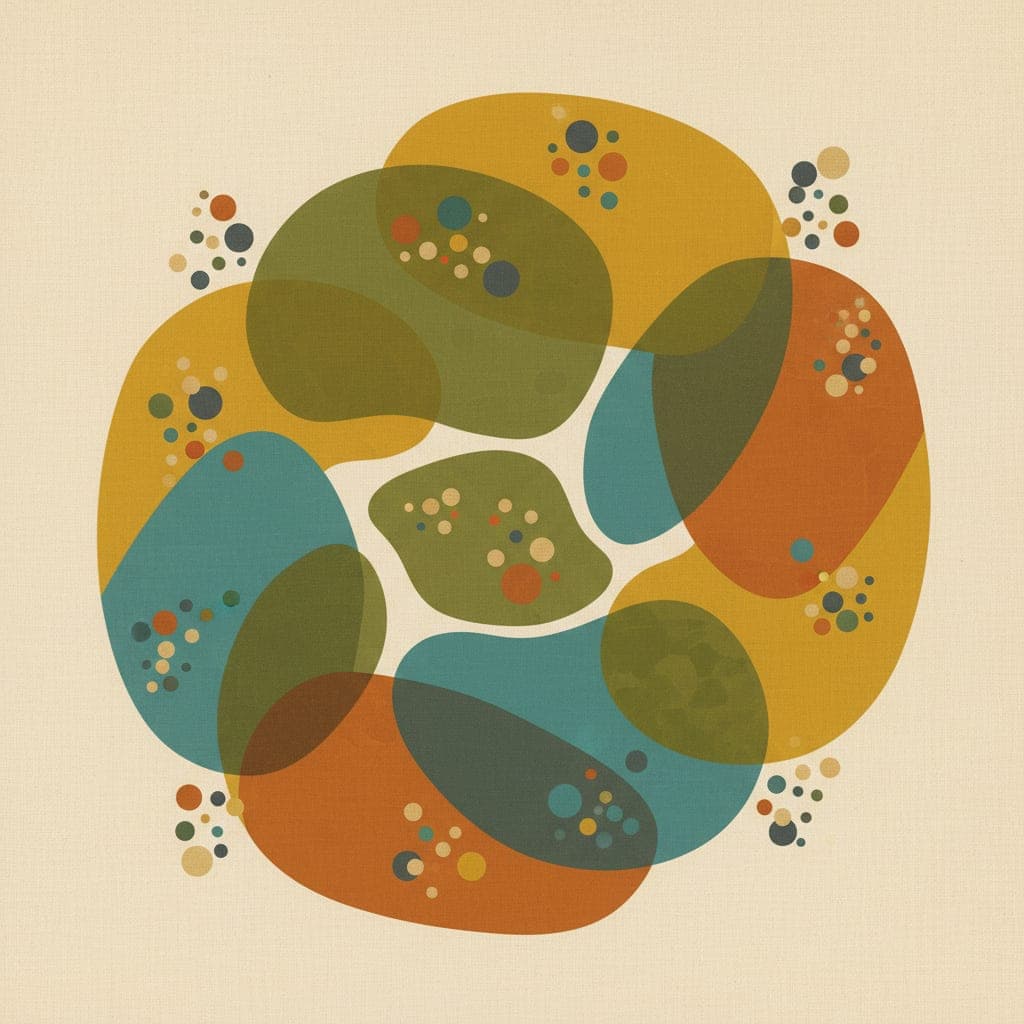
1945–1975
Mid-Century Modern
Organic shapes meet clean lines. Mid-century modern design balanced the warmth of natural forms with the optimism of the post-war era, creating visual comfort that still feels current.
EXPLORE
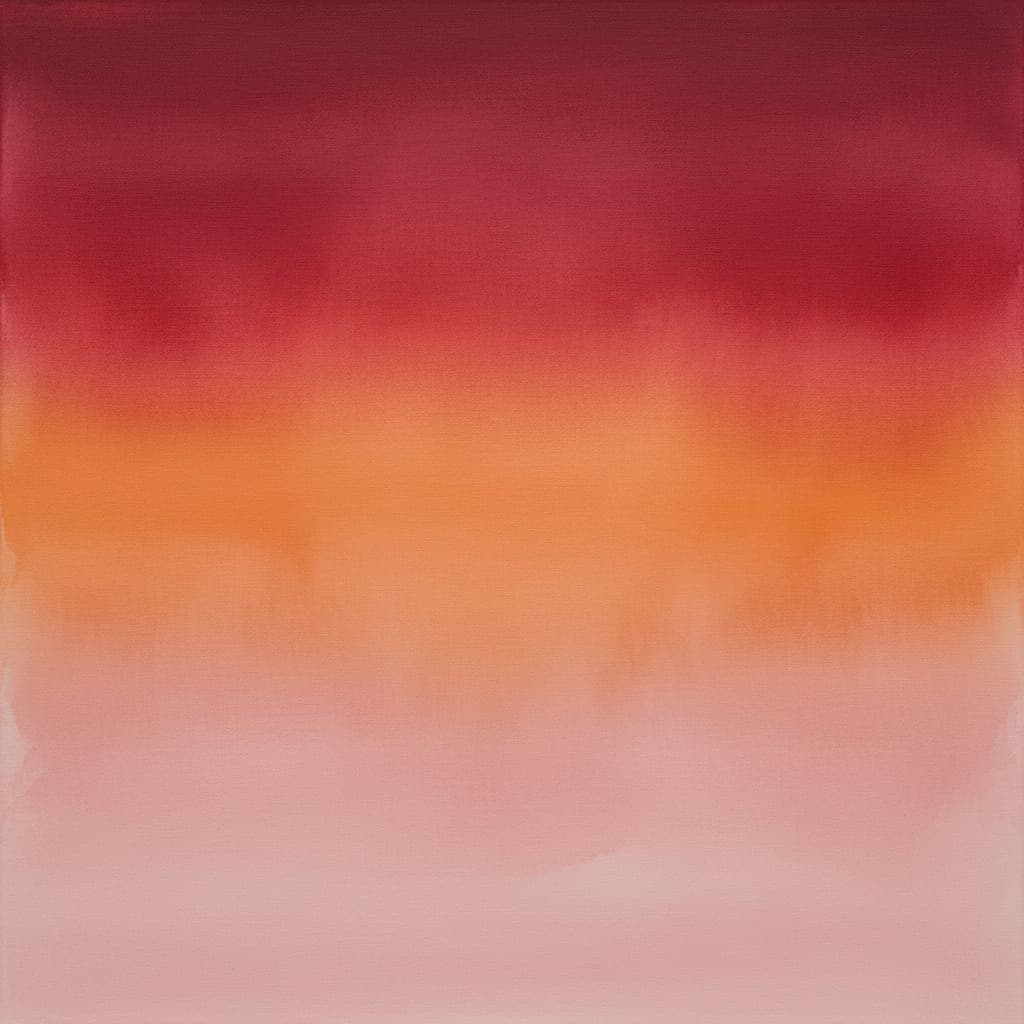
1950S–1970S
Color Field
Large planes of color that envelop you. Color field painting stripped away gesture and narrative, leaving only the direct emotional impact of hue against hue at room-filling scale.
EXPLORE
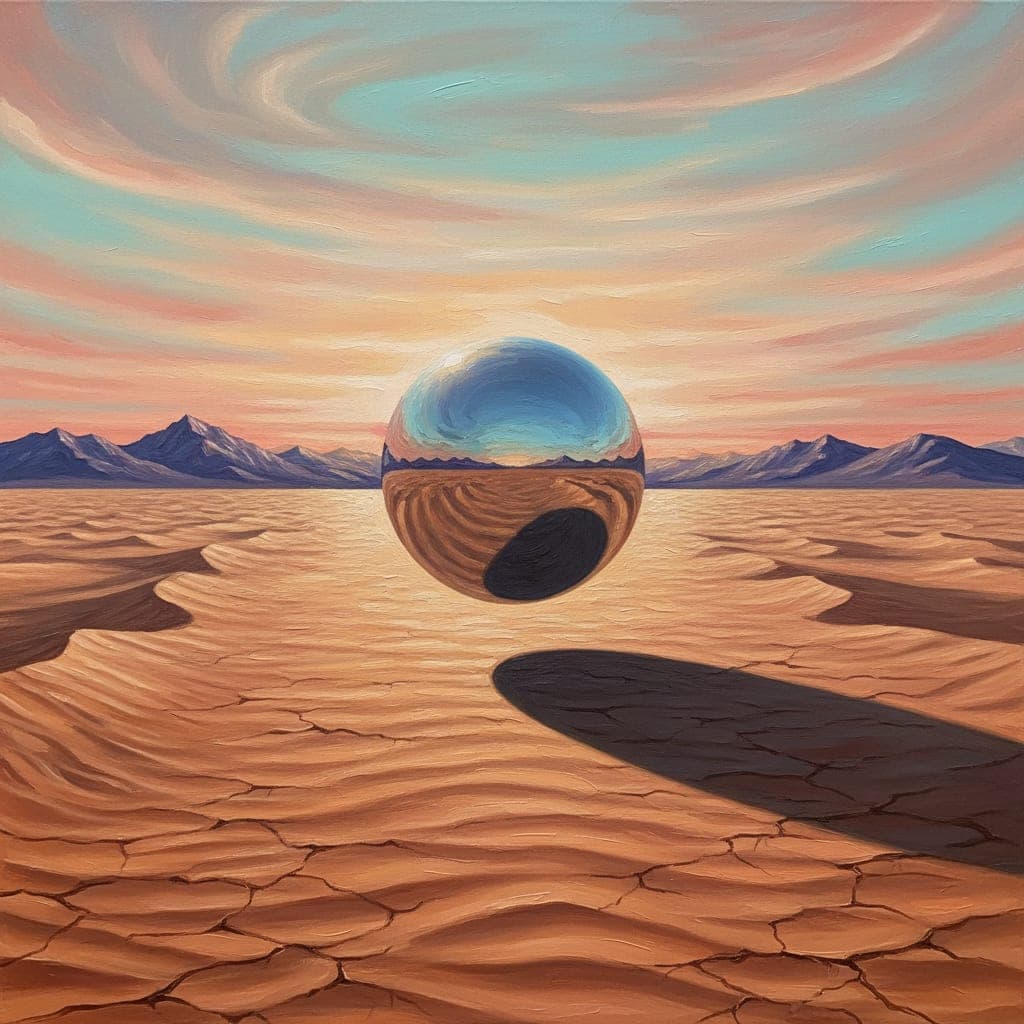
1920S–1960S
Surrealist Dreamscape
The logic of dreams rendered with photographic precision. Surrealism placed impossible things in familiar settings, making the viewer question what was real and what was imagined.
EXPLORE
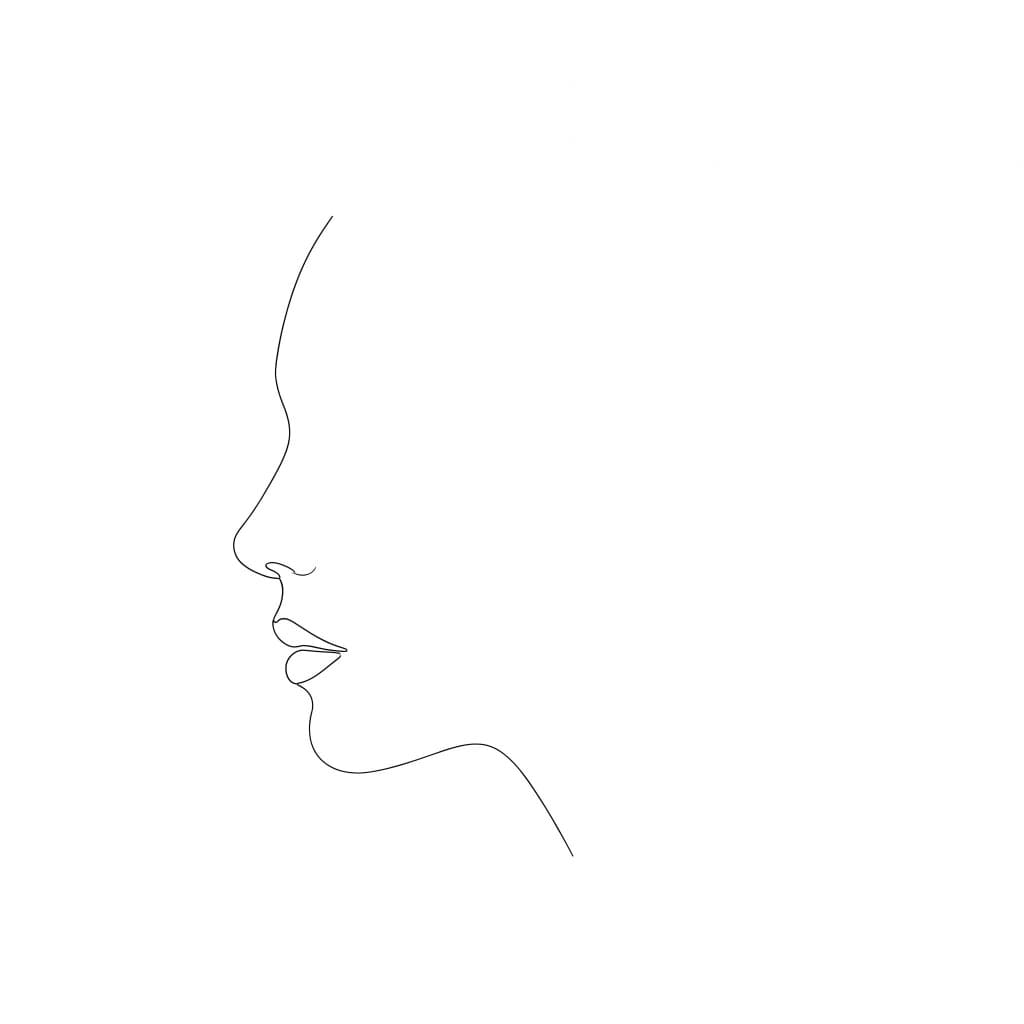
1960S–PRESENT
Minimalist Line Drawing
Less is more. A single subject reduced to its essential silhouette, drawn with one continuous line. Vast white space speaks louder than detail.
EXPLORE
Ready to make something?
Free to try. Pick a style, write a prompt, see three variations.
START CREATING