LOADING
1920S–1960S
Surrealist Dreamscape
The logic of dreams rendered with photographic precision. Surrealism placed impossible things in familiar settings, making the viewer question what was real and what was imagined.
CREATE IN THIS STYLEMAKE YOUR OWN
Surrealist Dreamscape,
designed for your wall.
Describe your vision. We generate three variations to choose from, then print and ship it framed.
BEGIN YOUR PIECEOR PICK ONE, READY TO SHIP
Ten pieces in this style
Each piece is ready to ship as is. Add it to your cart and Create Variation gives you 2 free tweaks to get it right before you check out.
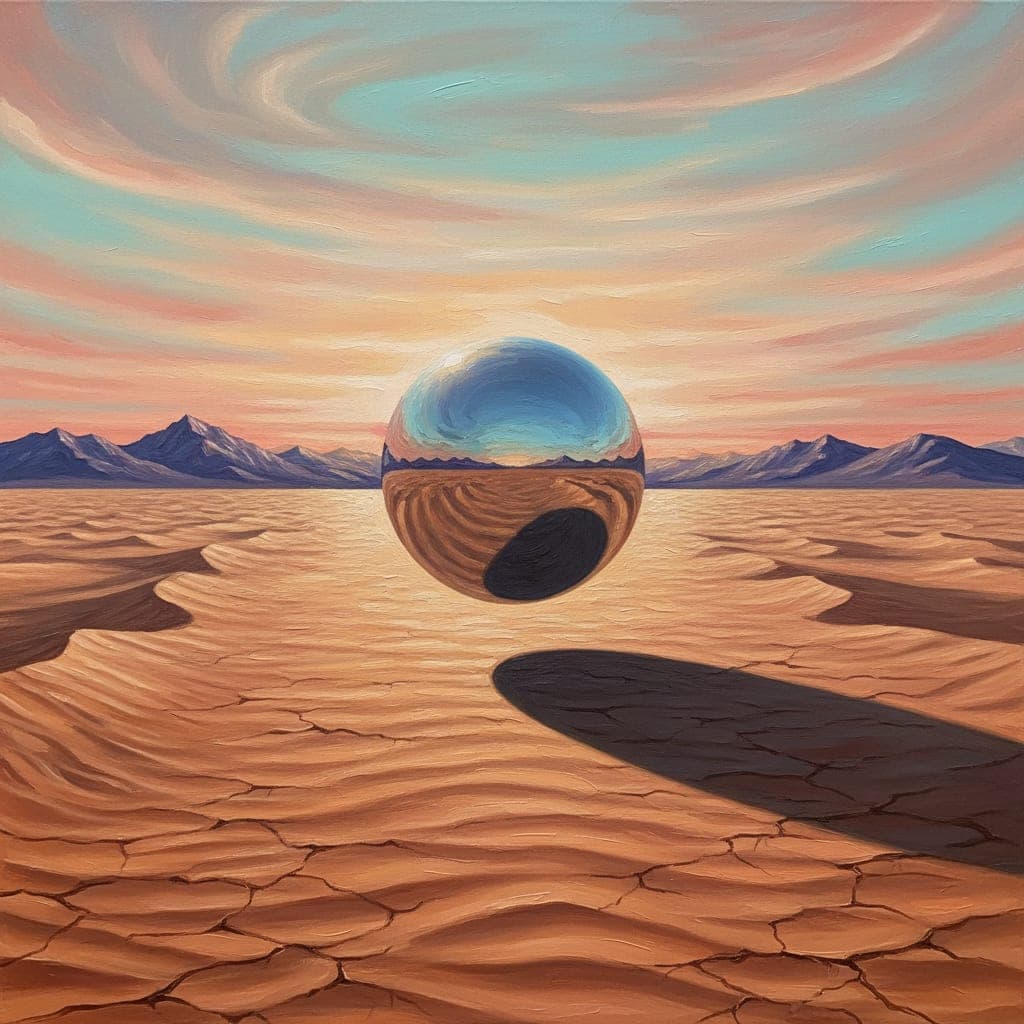
Desert Sphere
FRAME IT →
Desert Sphere
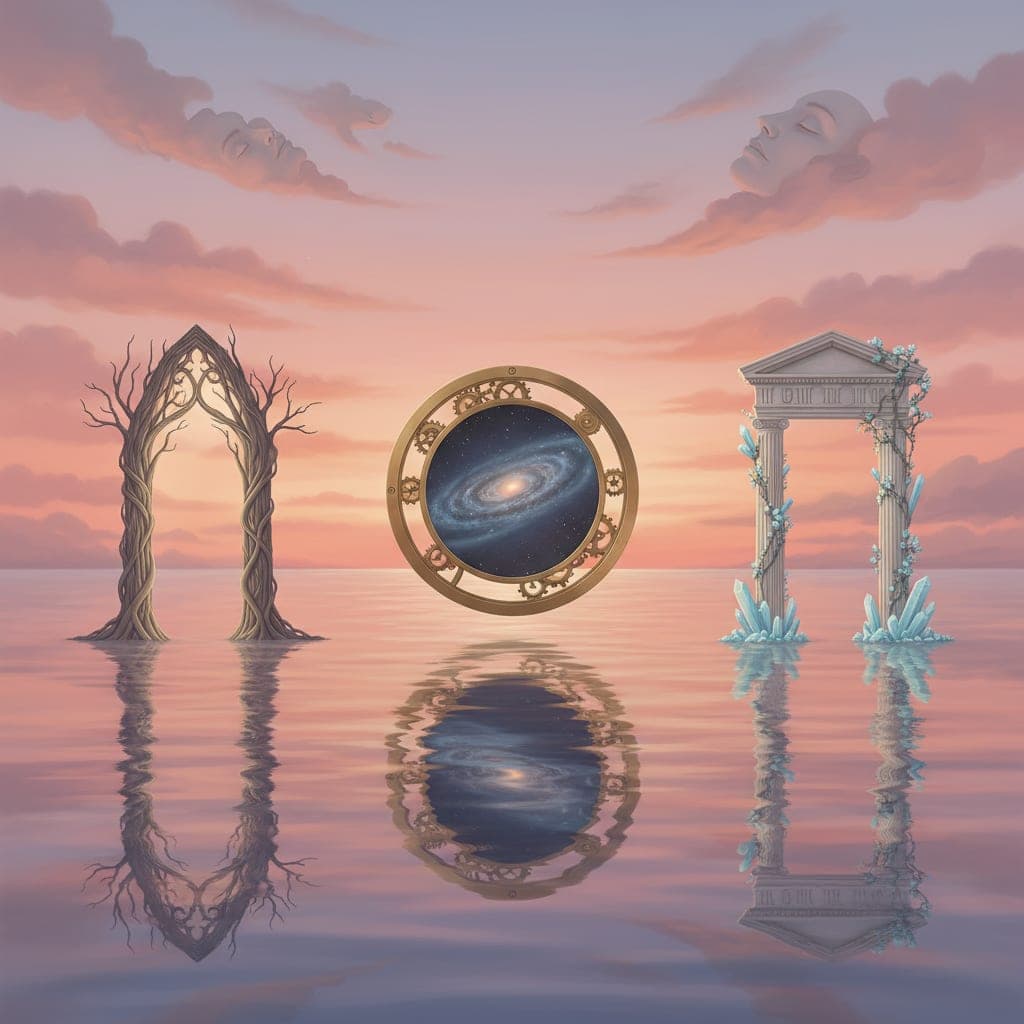
Sea Doors
FRAME IT →
Sea Doors
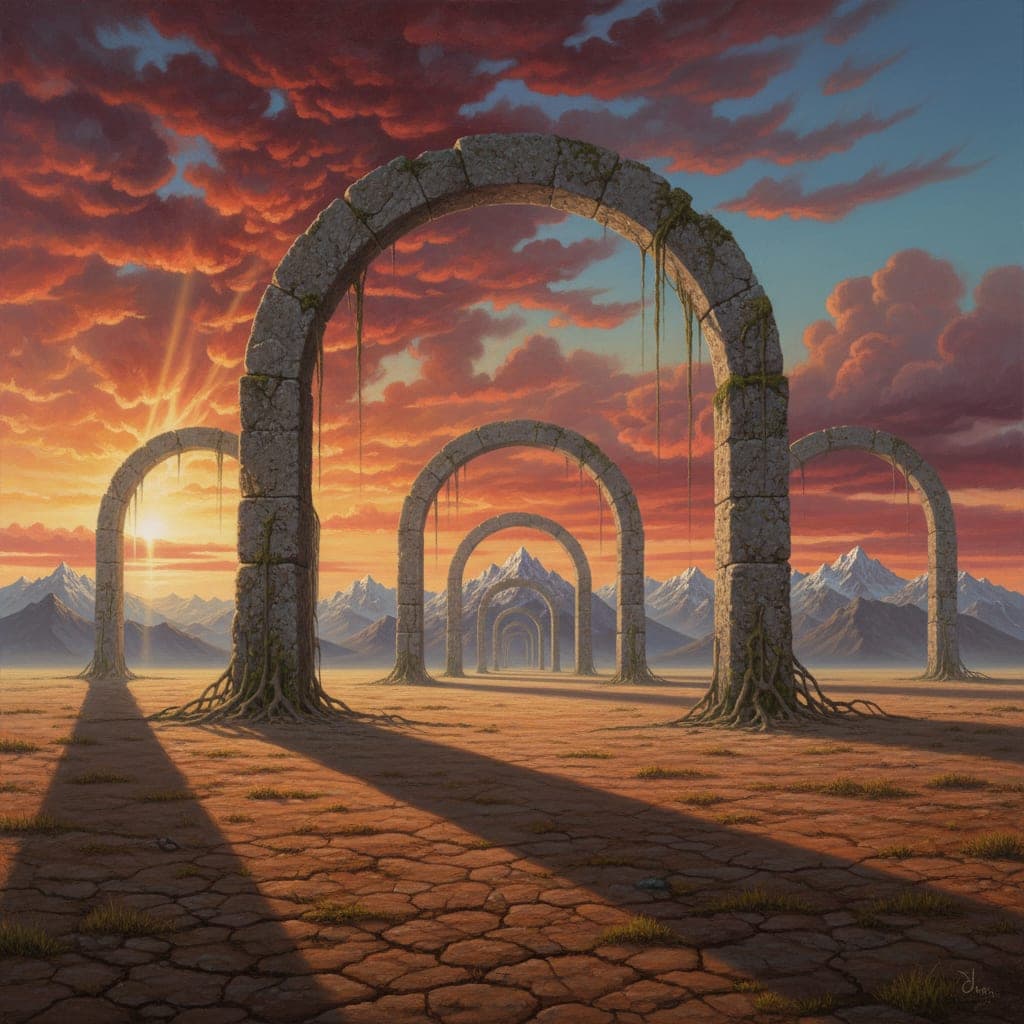
Floating Arches
FRAME IT →
Floating Arches
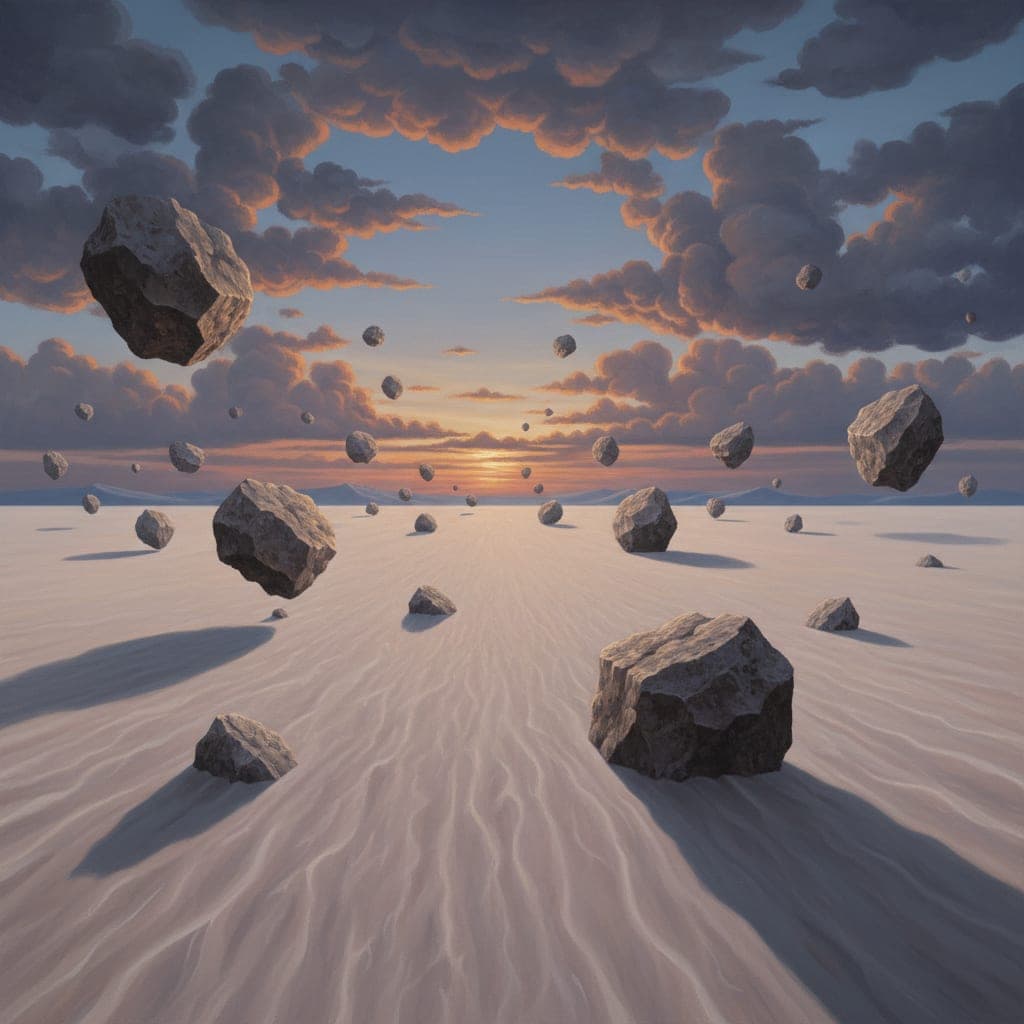
Levitating Stones
FRAME IT →
Levitating Stones
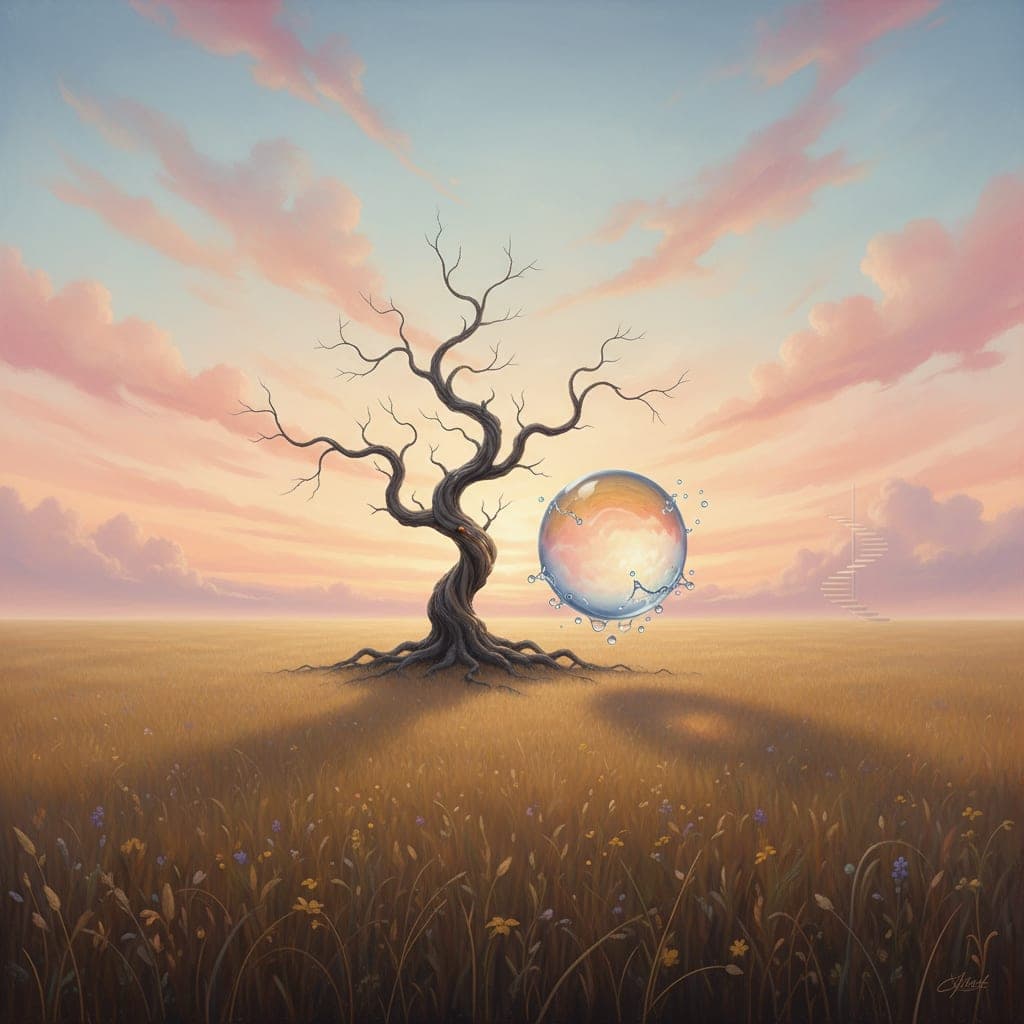
Water Sphere
FRAME IT →
Water Sphere
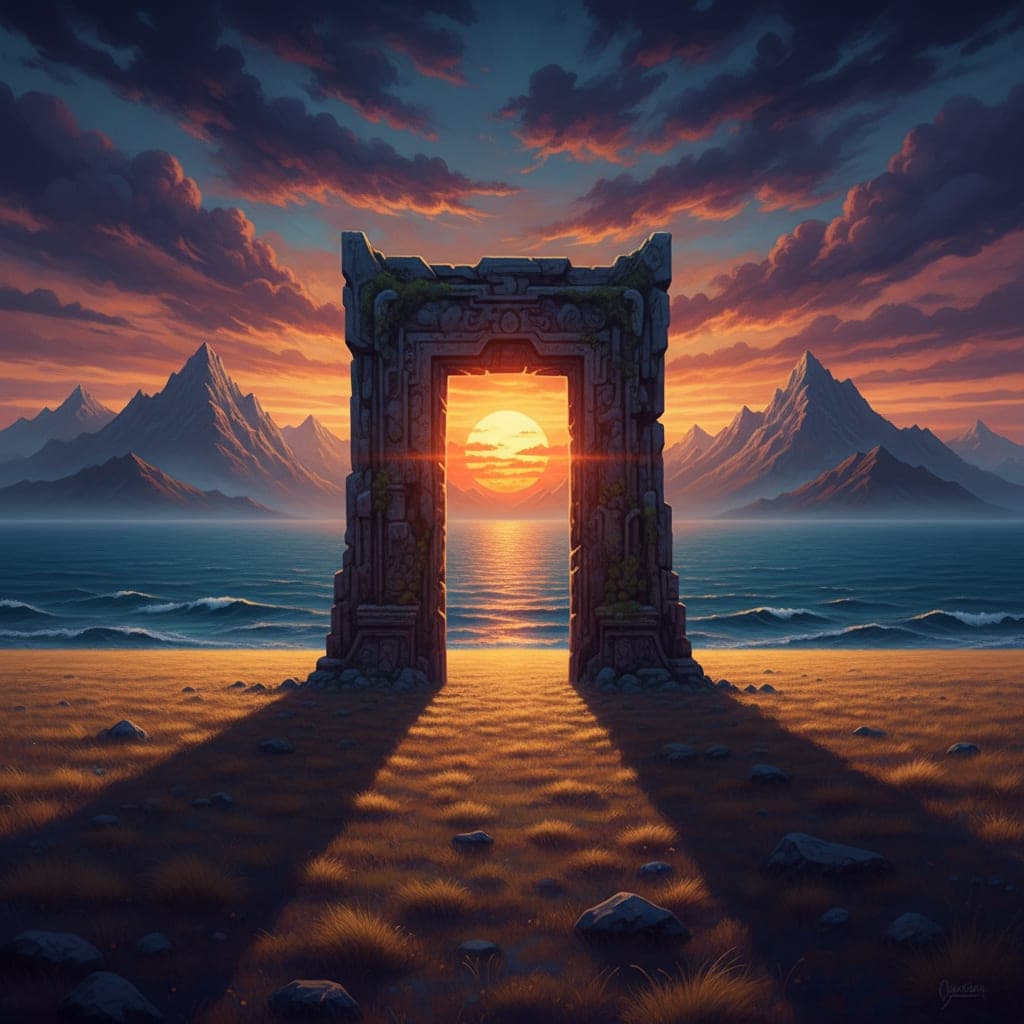
Doorway to Sea
FRAME IT →
Doorway to Sea
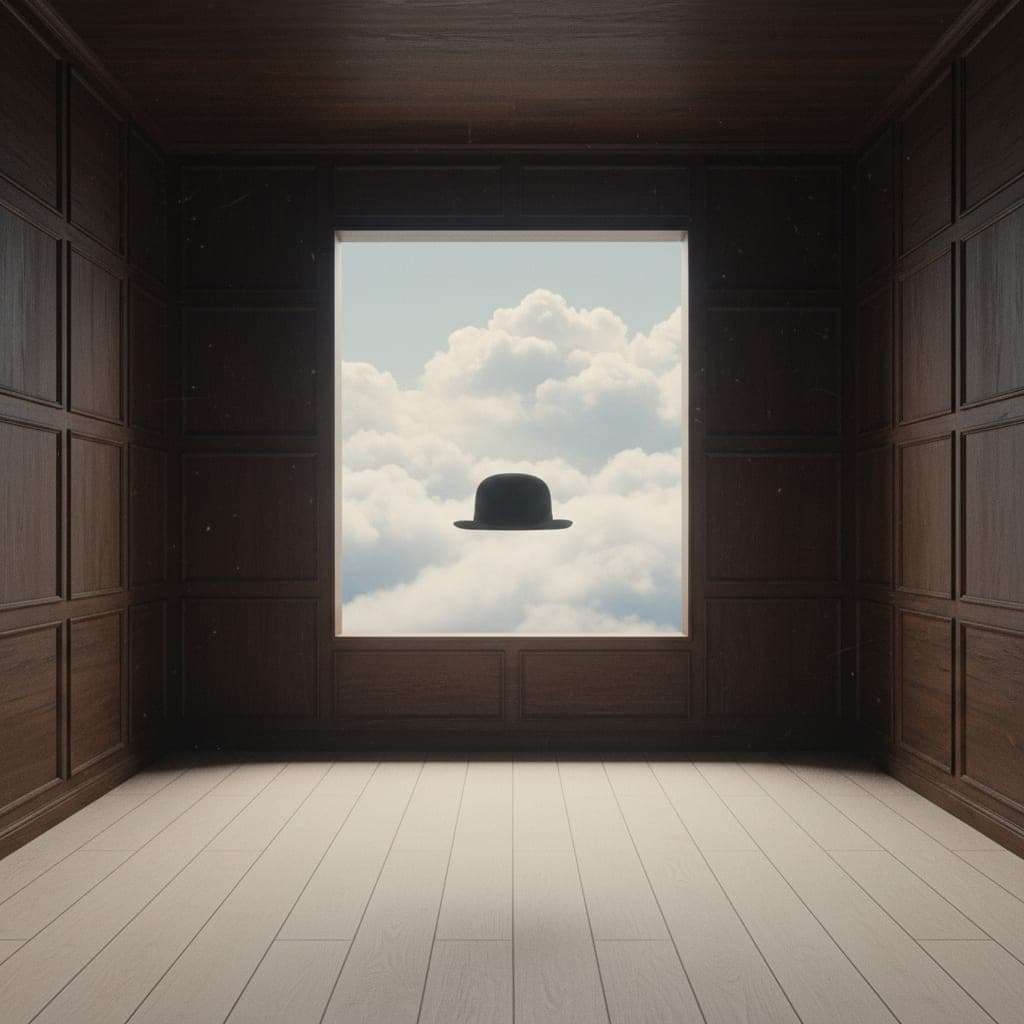
Quiet Room
FRAME IT →
Quiet Room
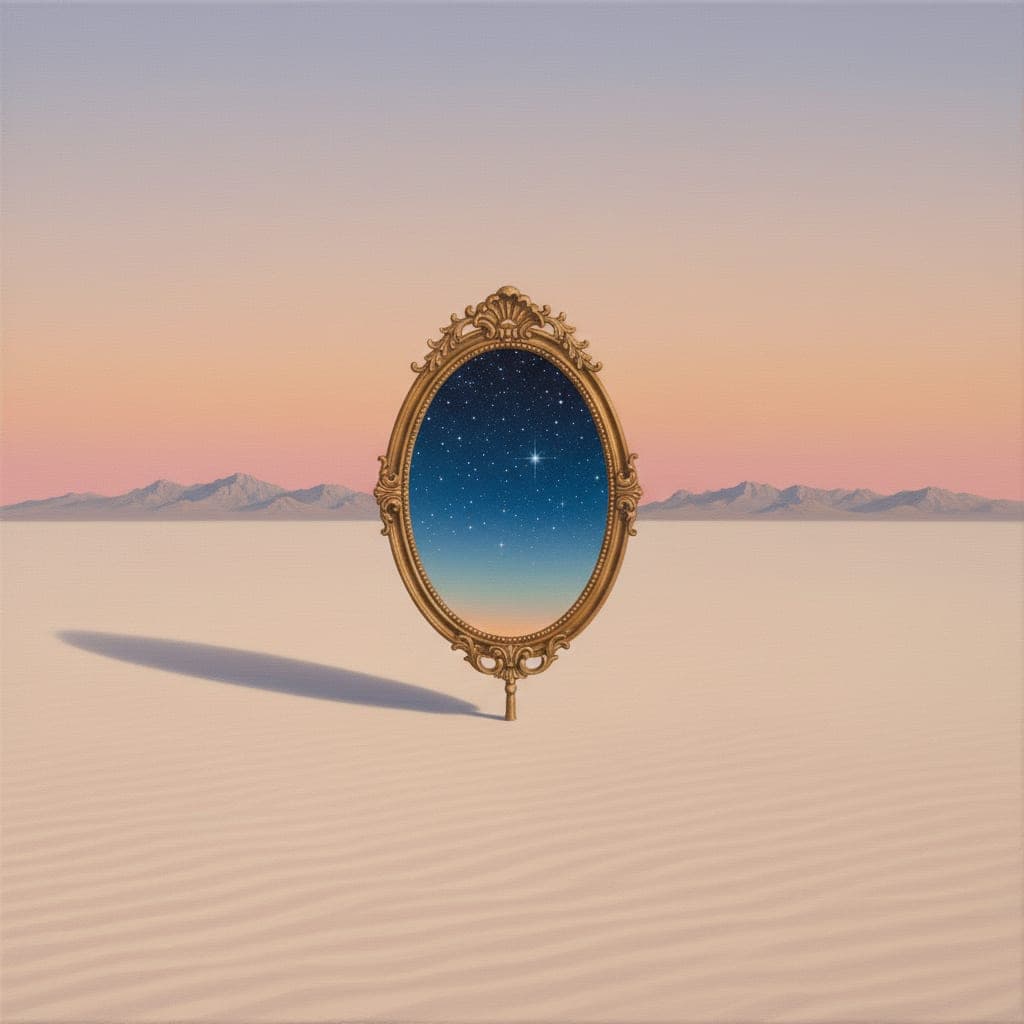
Star Mirror
FRAME IT →
Star Mirror
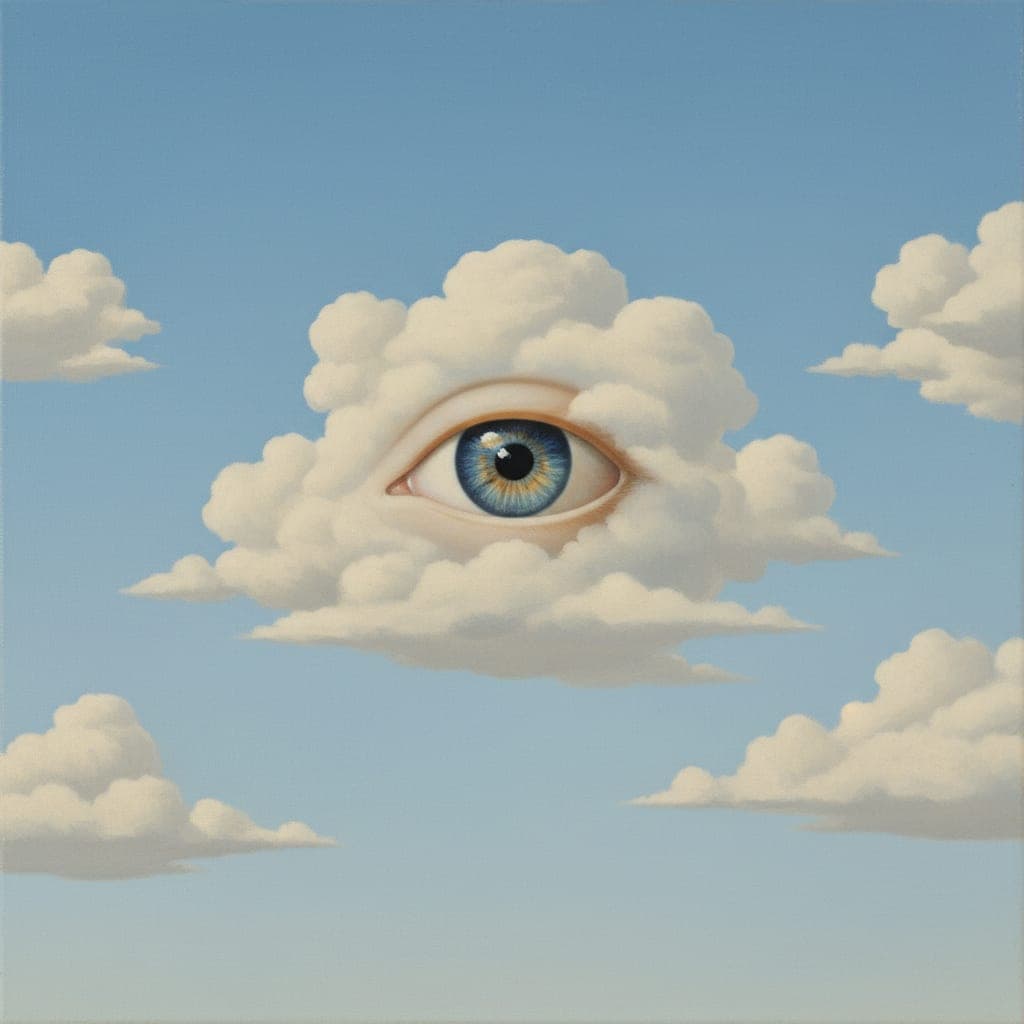
Sky Eye
FRAME IT →
Sky Eye
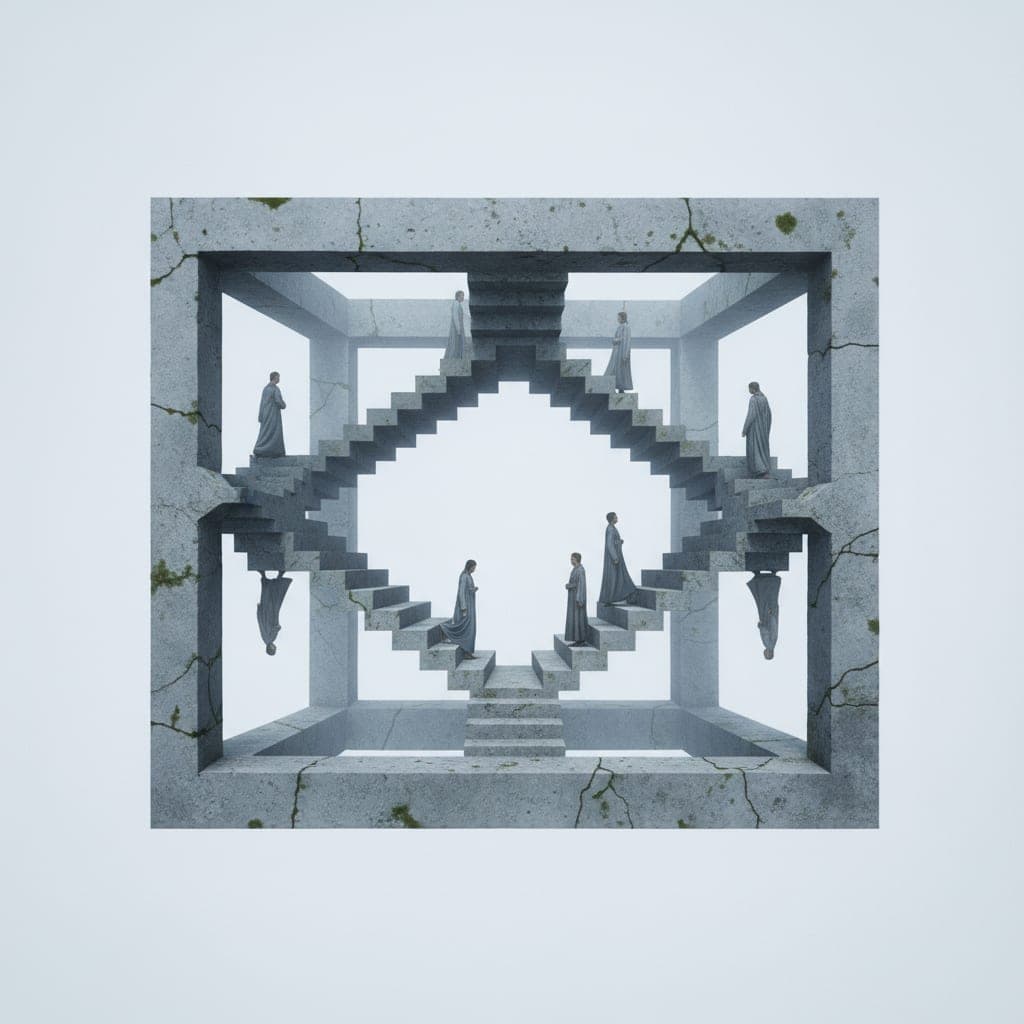
Endless Stair
FRAME IT →
Endless Stair
The surrealists, working in Paris in the 1920s and 30s, believed that the rational mind was hiding most of reality from itself. They borrowed Freud's theories about the unconscious and tried to paint what was underneath. Magritte's bowler-hatted men with apples for faces. Dalí's melting clocks. Tanguy's empty plains scattered with impossible objects.
What unified the movement was a peculiar technical decision: paint the impossible with photographic precision. If a fish appeared in the sky, render the fish so accurately you could identify the species. The disjunction between the precise rendering and the impossible content was the entire point. The work asked the viewer to choose between believing their eyes and believing their reason.
On a wall, surrealist work is a conversation starter. It doesn't fade into the background. Best in spaces where you want a viewer to slow down. Living rooms, libraries, hallways visitors pause in. Less ideal for purely functional spaces or rooms where you want pure calm.
Our pipeline weights surrealist generations toward the conventions: photorealistic rendering of impossible subjects, dramatic perspective, vast empty landscapes, lone objects with hyper-detailed textures, dreamlike juxtapositions. The result is a piece that asks questions, generated for your wall.
SIGNATURE PALETTE
#C2B280
#87CEEB
#2C2C2C
#DAA520
#FFDAB9
VISUAL VOCABULARY
When you generate in this style, our system weighs these elements to keep the result authentic:
dreamlike impossible scenesphotorealistic rendering of surreal subjectsunexpected juxtapositions of objectspalette: desert tan, sky blue, deep shadow, warm gold, flesh tonedramatic perspective and scale distortionmelting or morphing formshyper-detailed textures on impossible objectsvast open landscapes with lone elements
Ready to make your own?
Free to try. No credit card. Tell us about your space.
START WITH SURREALIST DREAMSCAPERELATED AESTHETICS