LOADING
1940S–1960S
Abstract Expressionist
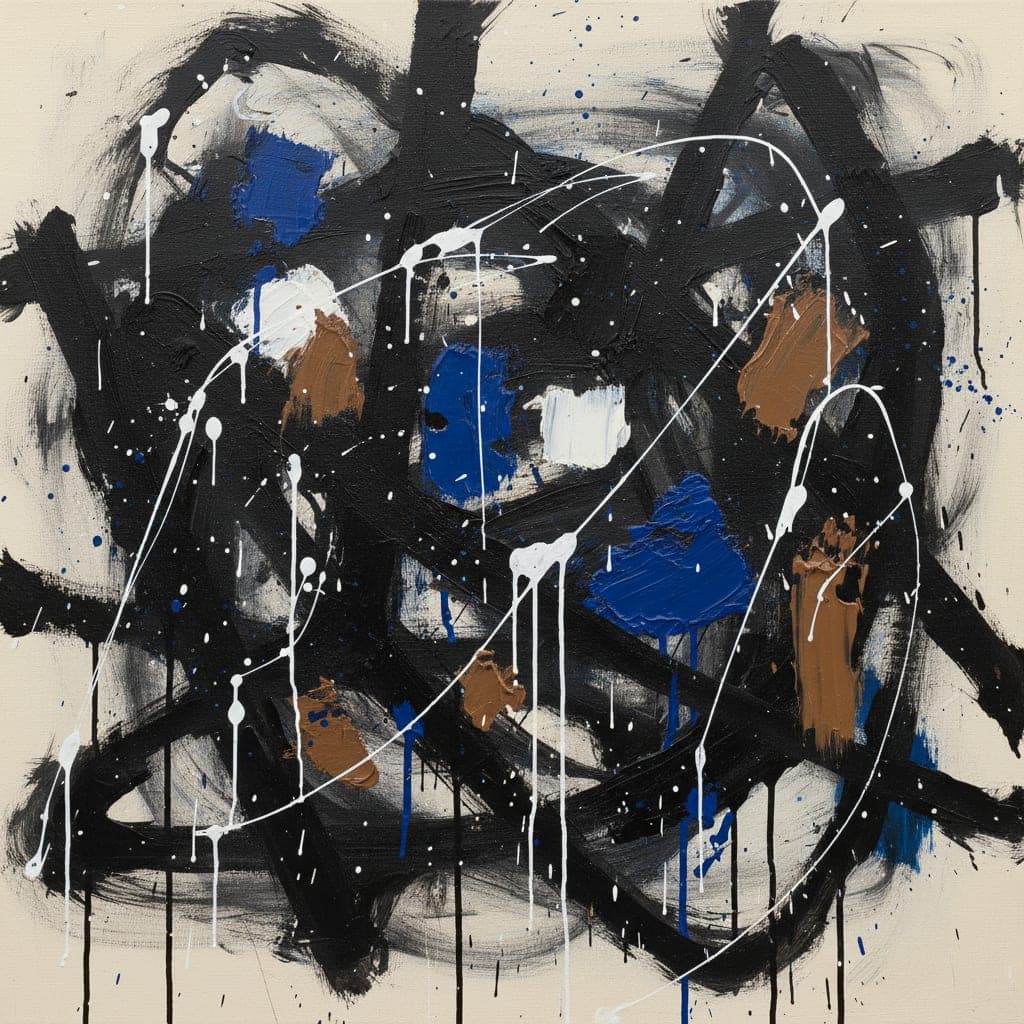
Gesture, scale, and raw emotion flung onto canvas. The action painters traded composition for energy, letting the body's motion become the subject itself.
CREATE IN THIS STYLEMAKE YOUR OWN
Abstract Expressionist,
designed for your wall.
Describe your vision. We generate three variations to choose from, then print and ship it framed.
BEGIN YOUR PIECEOR PICK ONE, READY TO SHIP
Ten pieces in this style
Each piece is ready to ship as is. Add it to your cart and Create Variation gives you 2 free tweaks to get it right before you check out.
Black Field
FRAME IT →
Black Field
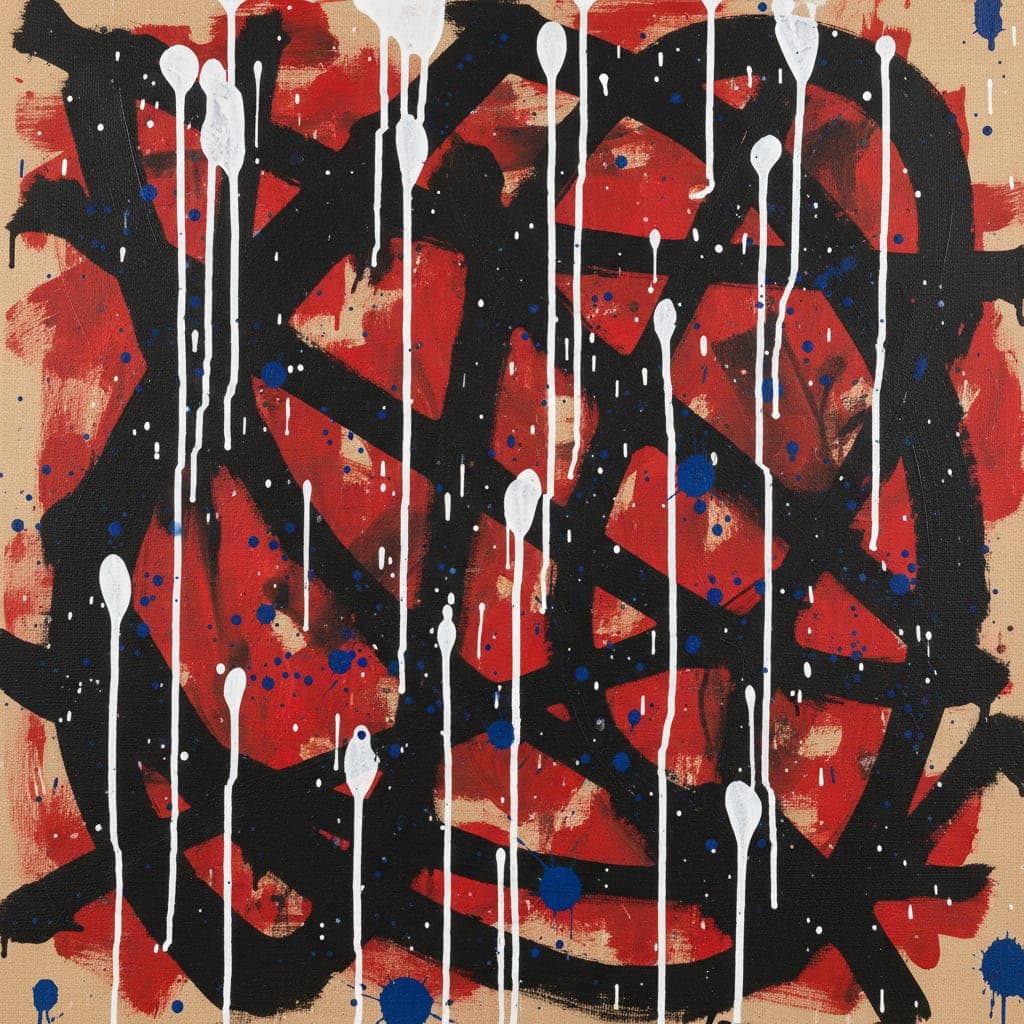
Crimson Sweep
FRAME IT →
Crimson Sweep
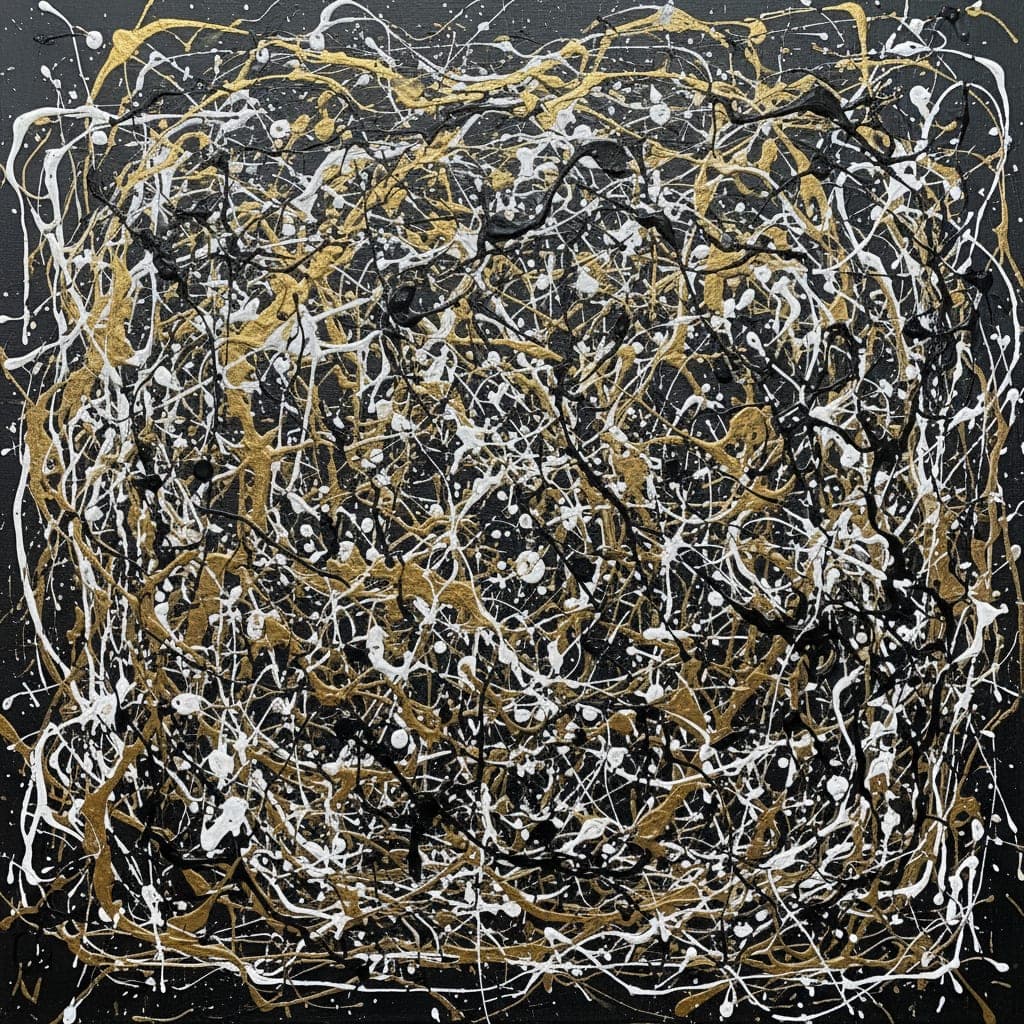
Web of Drips
FRAME IT →
Web of Drips
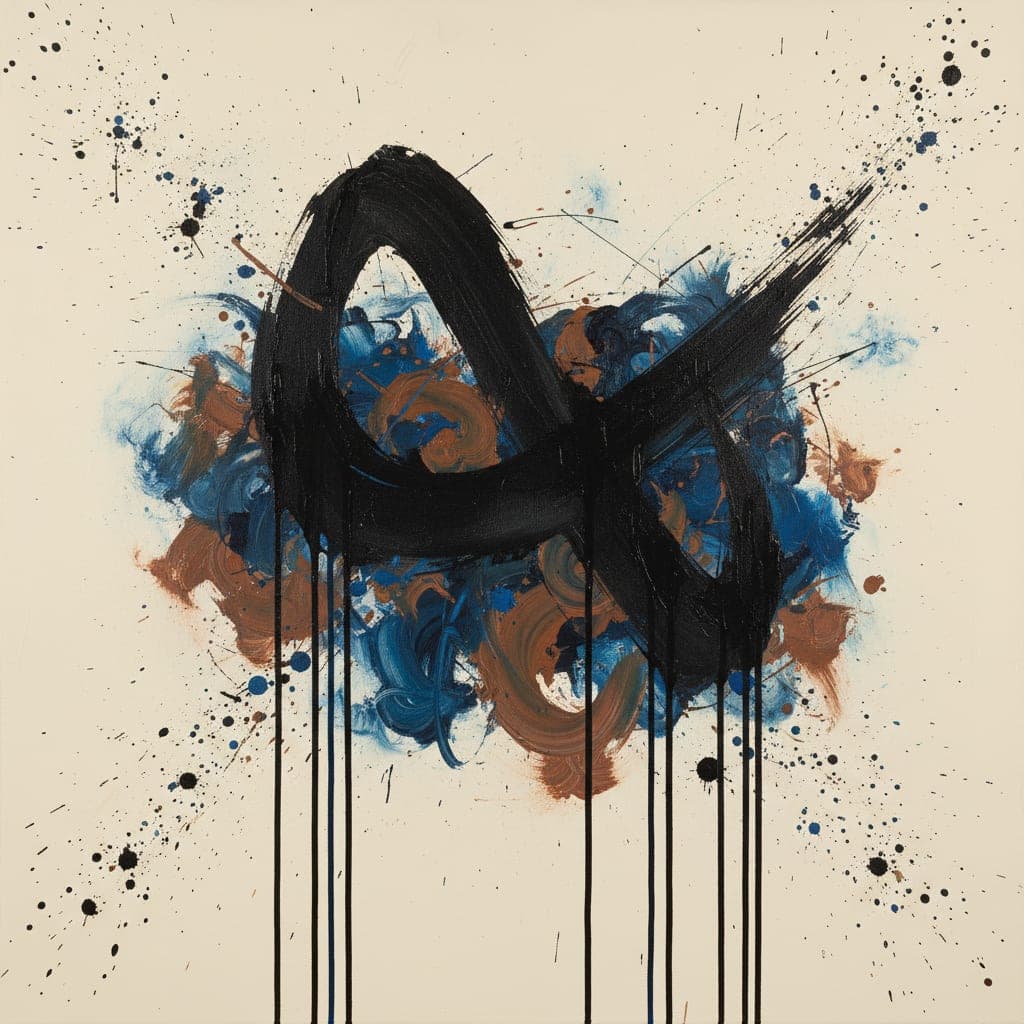
Calligraphic
FRAME IT →
Calligraphic
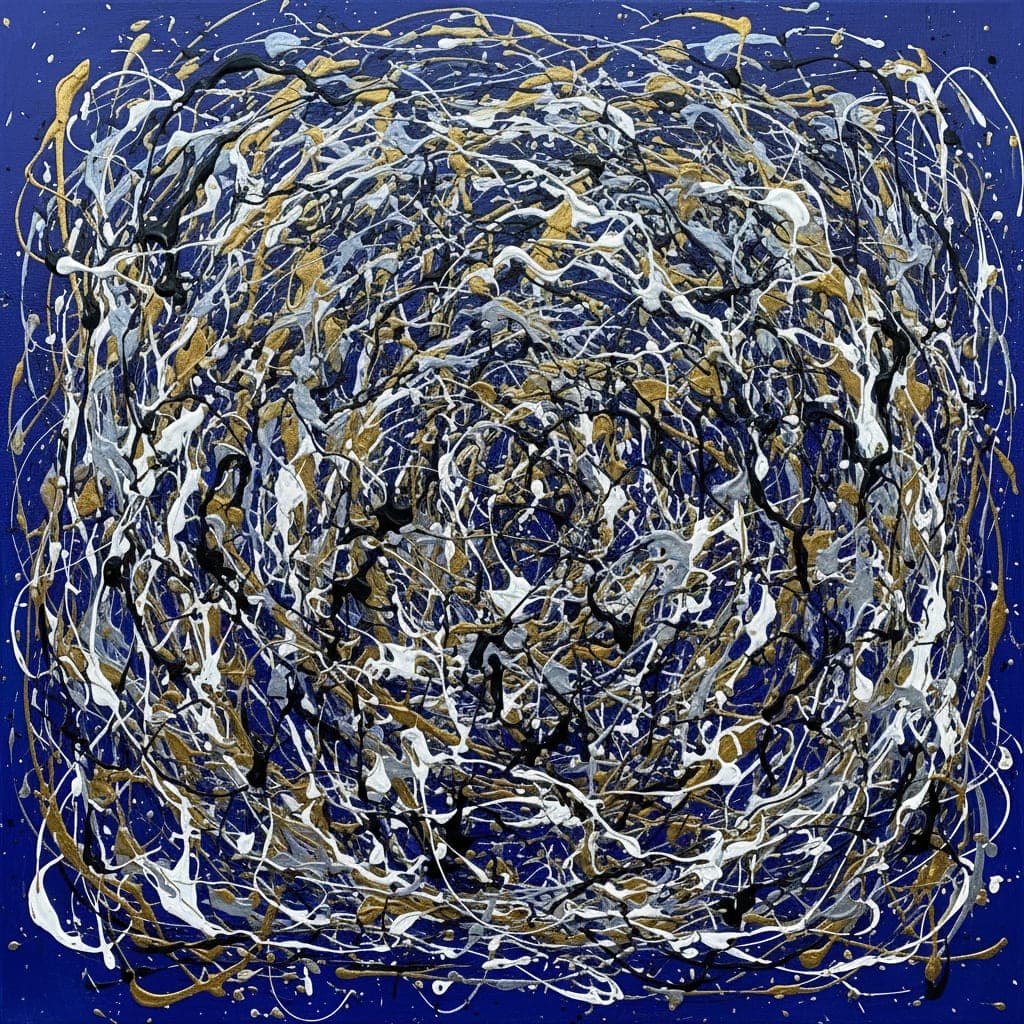
Midnight Web
FRAME IT →
Midnight Web
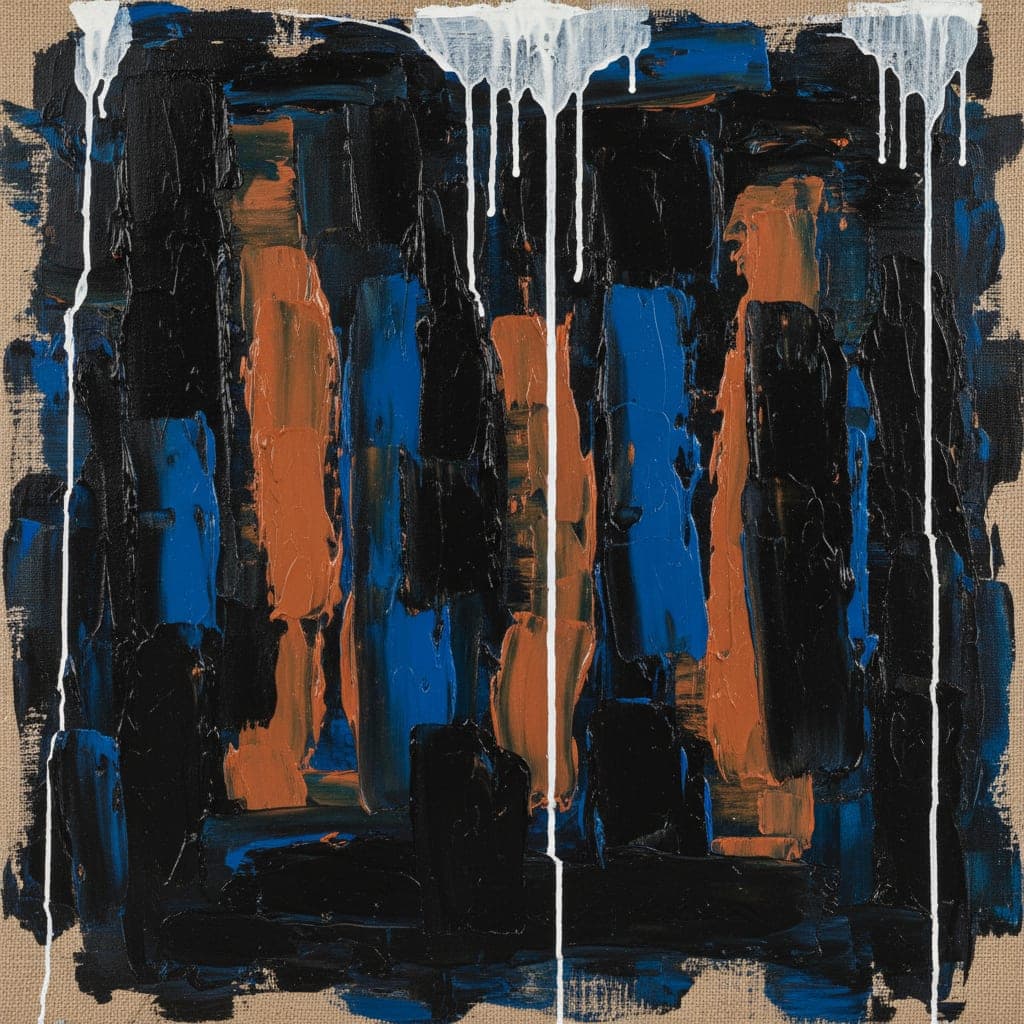
Vertical Force
FRAME IT →
Vertical Force
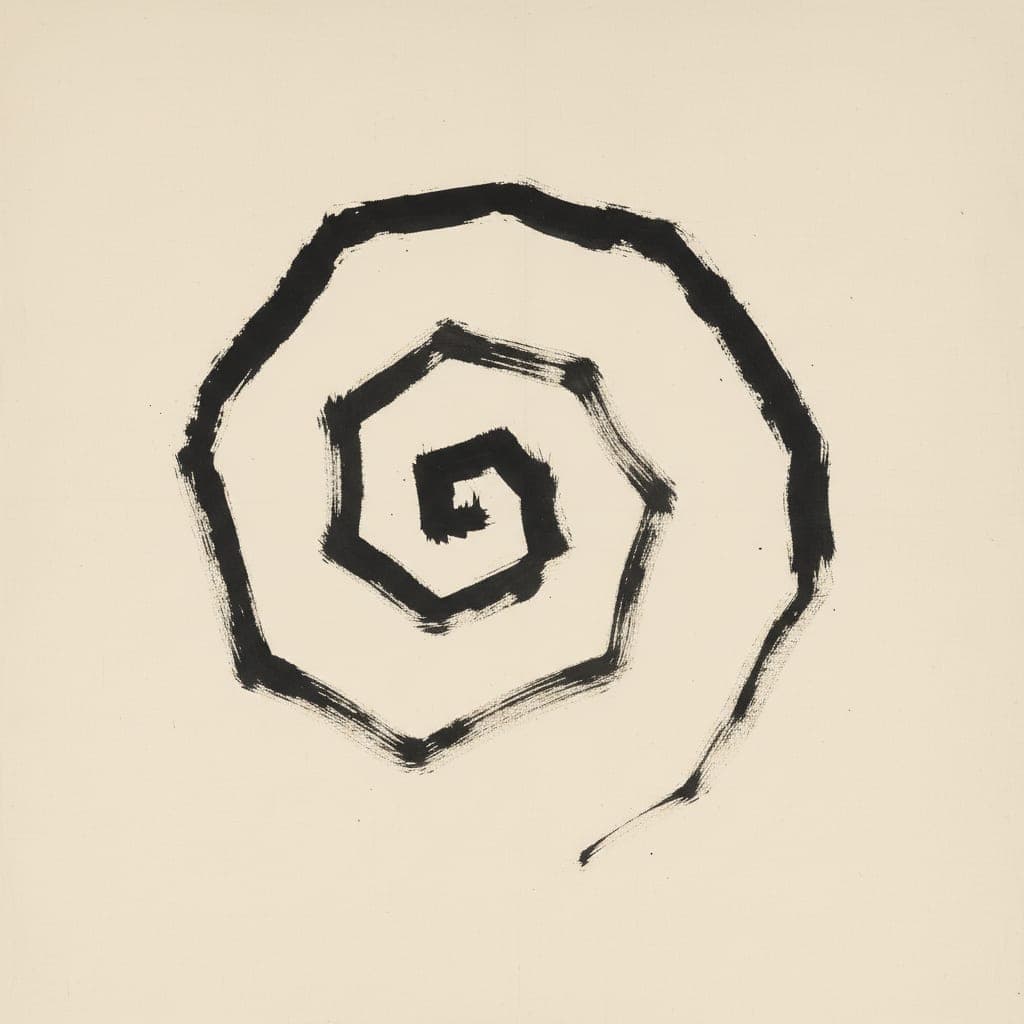
Single Spiral
FRAME IT →
Single Spiral
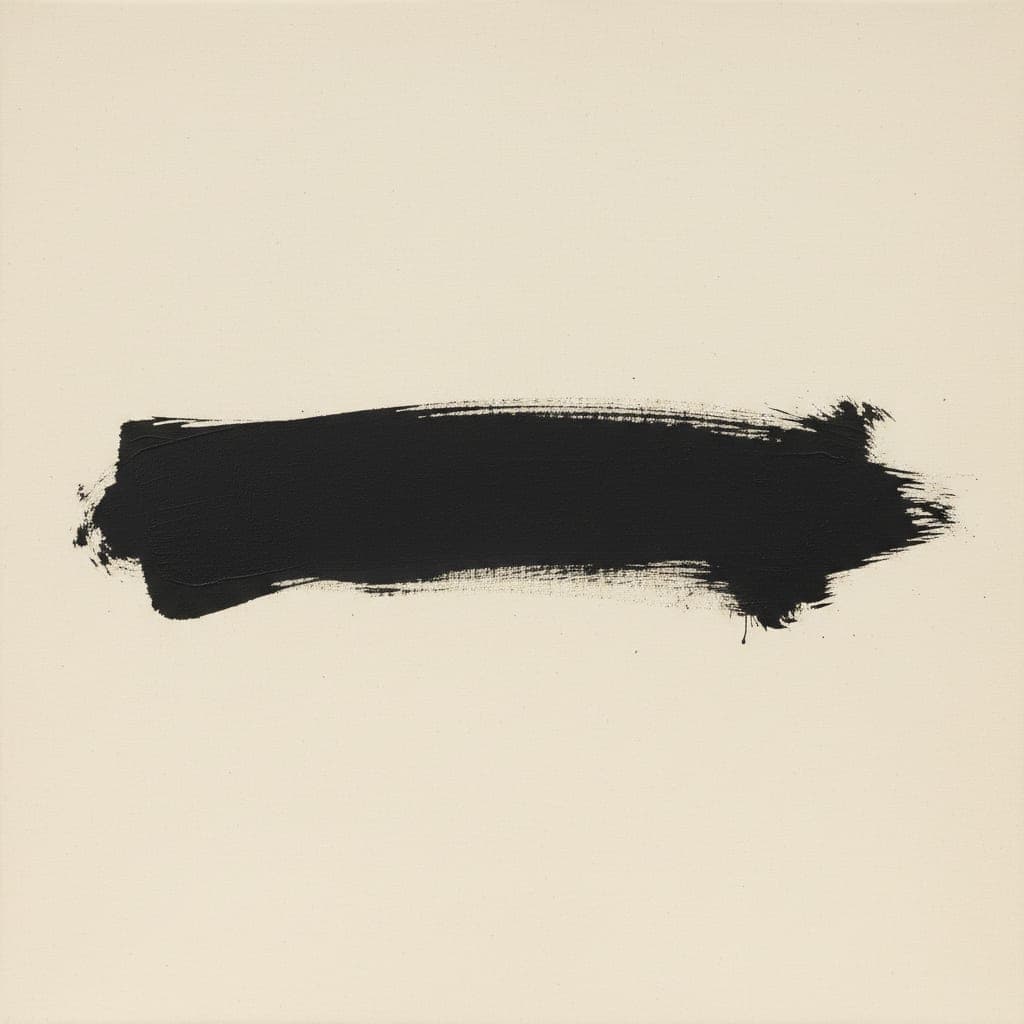
Horizontal Line
FRAME IT →
Horizontal Line
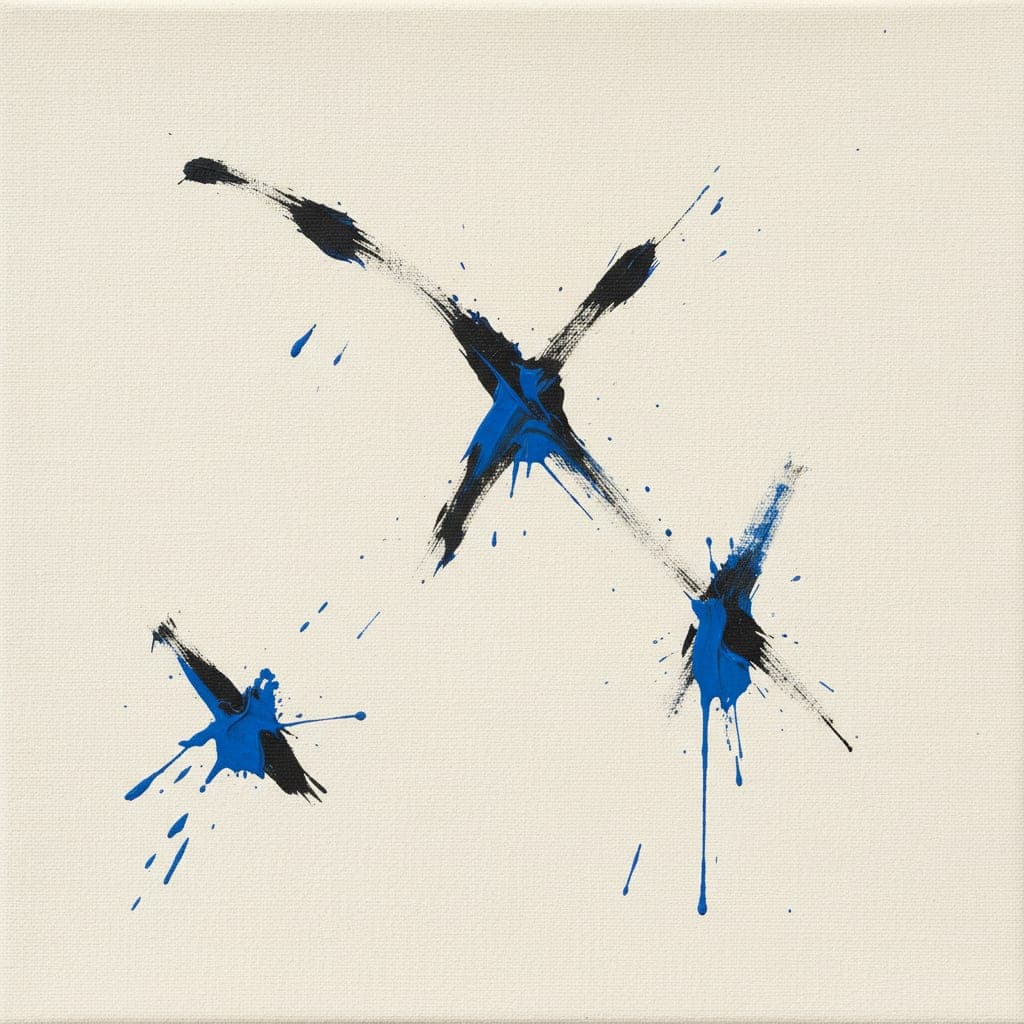
Scattered Marks
FRAME IT →
Scattered Marks
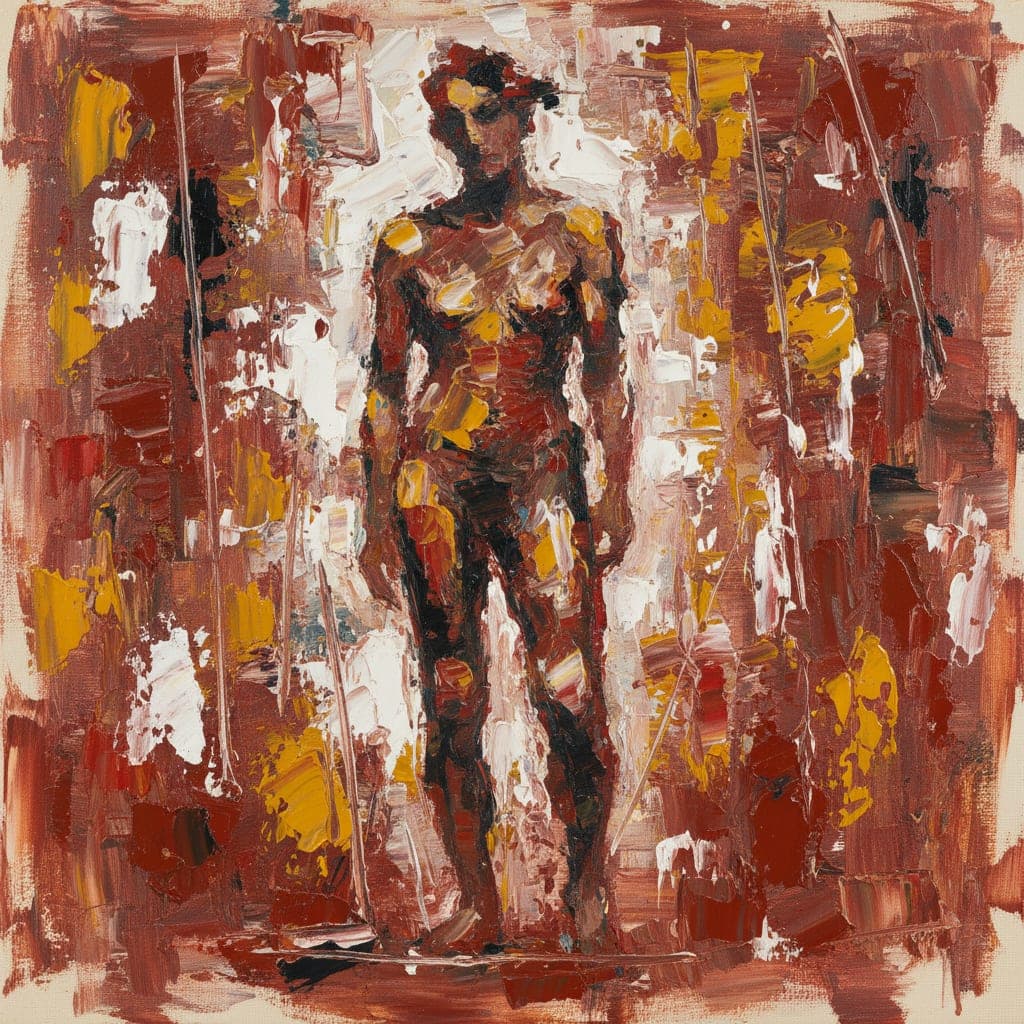
Figure Fragment
FRAME IT →
Figure Fragment
Abstract expressionism emerged in New York in the 1940s out of a strange convergence. European surrealists fleeing the war brought theories about automatic painting and the unconscious. American painters had access to bigger canvases than Europe, more space, more cheap paint. The result was a style that felt distinctly American: big, gestural, unembarrassed about emotion.
Pollock's drip paintings are the most famous, but the movement was broader. de Kooning's frenetic figure work. Rothko's color fields, which we treat separately. Franz Kline's enormous black brushstrokes. What unified them was the idea that the act of painting was itself the subject, and the canvas recorded the artist's body moving through space.
On a wall, abstract expressionism is energy made visible. The work pulls you in close to read the texture, then pushes you back to read the composition. It needs space around it. Works best as a single statement piece on a large wall, where the gesture has room to breathe.
When you generate in this style with us, we steer toward the visual hallmarks: large gestural strokes, drips and splatters, layered impasto texture, edge-to-edge composition that refuses to settle into a center. The piece feels like motion stopped mid-frame.
SIGNATURE PALETTE
#1A1A1A
#1B3A8C
#C0392B
#8B6914
#F5F5F5
VISUAL VOCABULARY
When you generate in this style, our system weighs these elements to keep the result authentic:
large gestural brushstrokes and dripshigh energy, dynamic compositionpaint splatters and drip patternslayered paint textures with visible impastopalette: deep black, ultramarine blue, cadmium red, raw umber, whitefull-bleed composition edge to edgespontaneous mark-makingemotional intensity through color contrast
Ready to make your own?
Free to try. No credit card. Tell us about your space.
START WITH ABSTRACT EXPRESSIONISTRELATED AESTHETICS